


Biodiversity: all the different kinds of life you’ll find in an area.
Biodiversity is the variety of life on Earth, from the genetic diversity within species, to the richness of species within ecosystems, and the interactions between organisms and their environments. Different examples of biodiversity on Earth can range from your local park in London, to deep sea thermal vents, cave ecosystems and coral reefs. Scientists estimate that there are around 8.7 million species existing on our planet, of which we have catalogued 1.2 million of them. According to this, 86% of Earth’s existing species and 91% of oceanic species remain unknown.

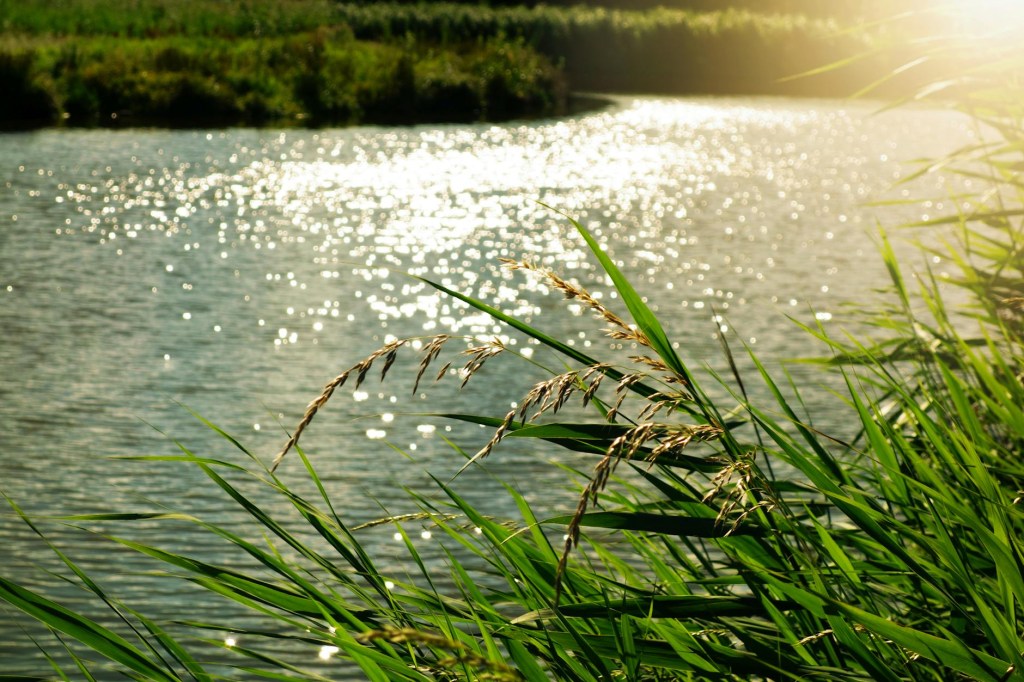
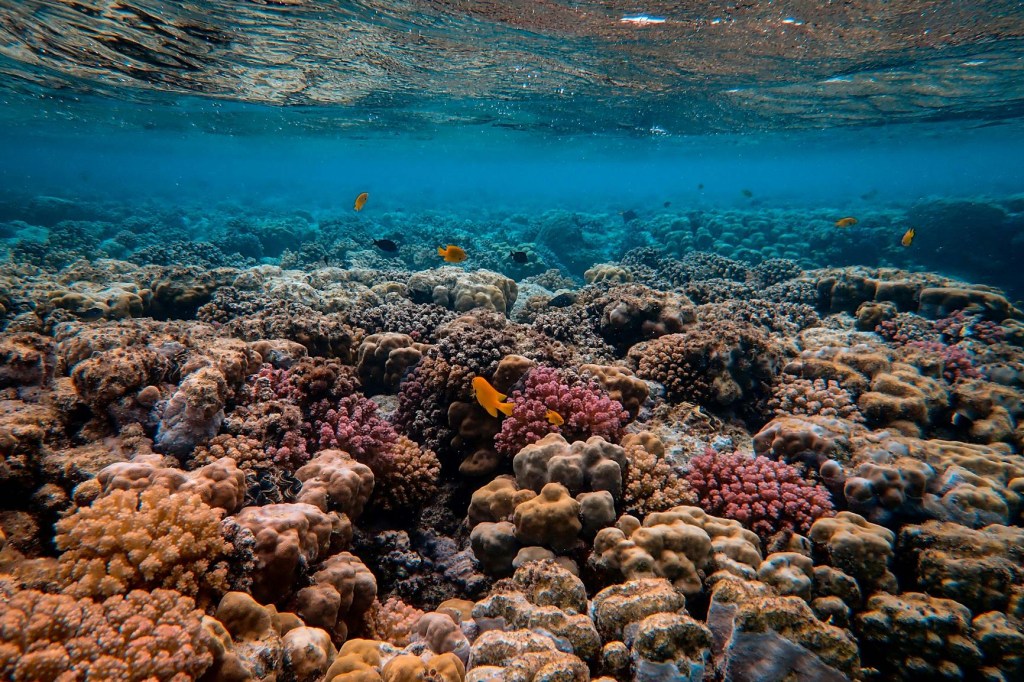
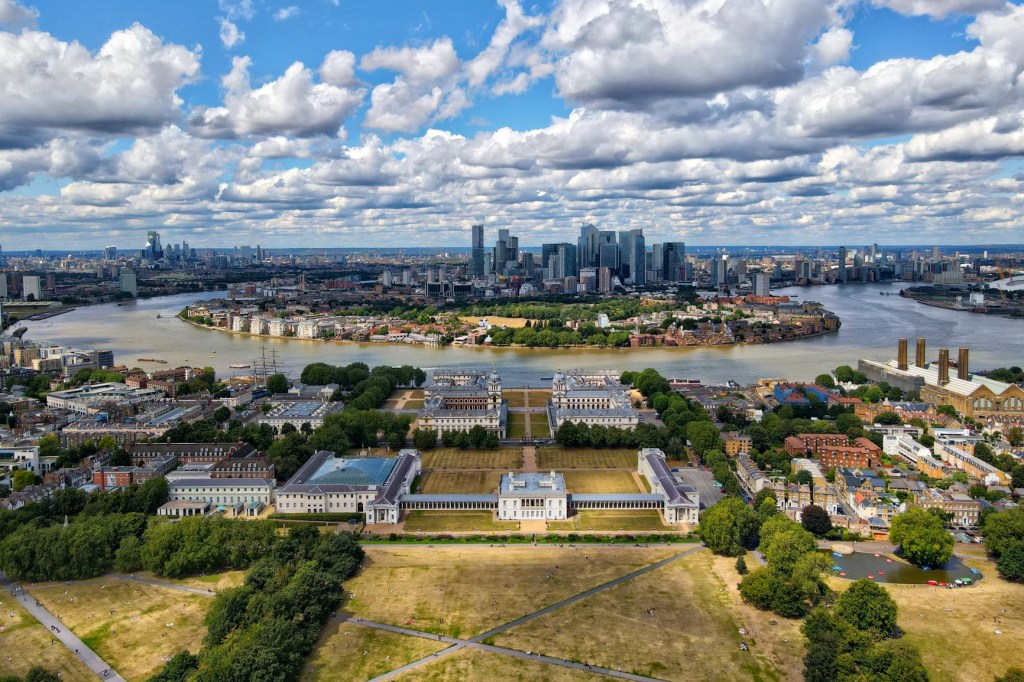

Ecosystem: A community of living things interacting with one another and the environment that surrounds them.
Biodiversity is fundamental to the functioning of ecosystems. For example, a tree in your garden or local park can be its own ecosystem, with animals such as birds eating insects on the branches, and insects feeding off the tree’s leaves or fruit.This also includes non-living parts of the environment, including temperature, humidity and generally weather. This ecosystem provides services for all these different living organisms as well as humans.
Ecosystem Services
Ecosystem services: All of the benefits that an ecosystem contributes towards human well-being and quality of life.
These different services can range from straightforward resources such as food and water, to more complex processes that are the foundation to life itself. Biodiversity underpins the stability, resilience, and productivity of all of these natural systems. Here are the four different types of services and how they benefit us:
Supporting
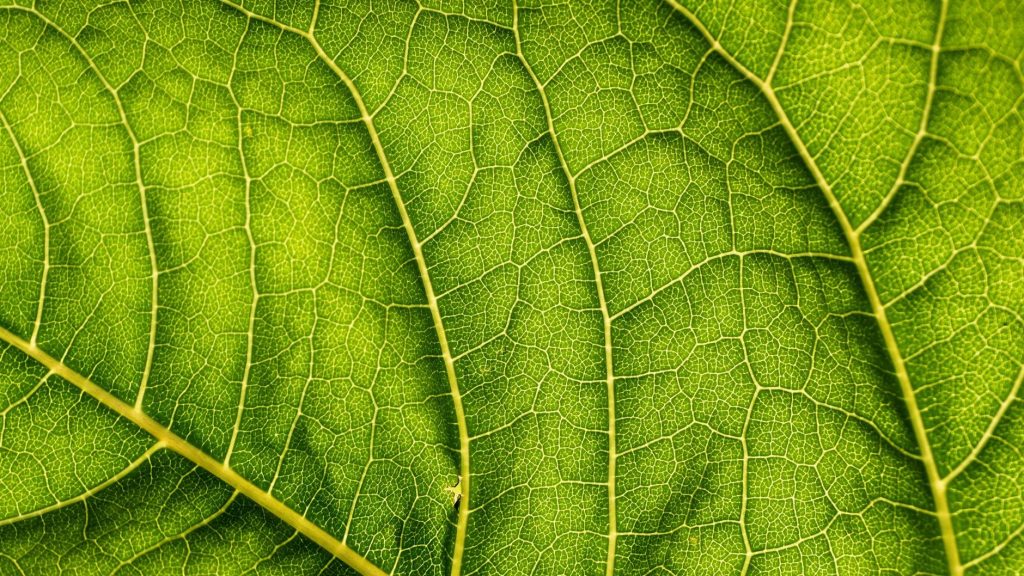
Supporting services are the foundation of all ecosystem functions, including soil formation and primary productivity (think photosynthesis and plants), and a few other complex processes. These services sustain life by providing essential resources and habitat for organisms to thrive. Biodiversity ensures that these vital systems, necessary for life on Earth, can be maintained.
Regulating
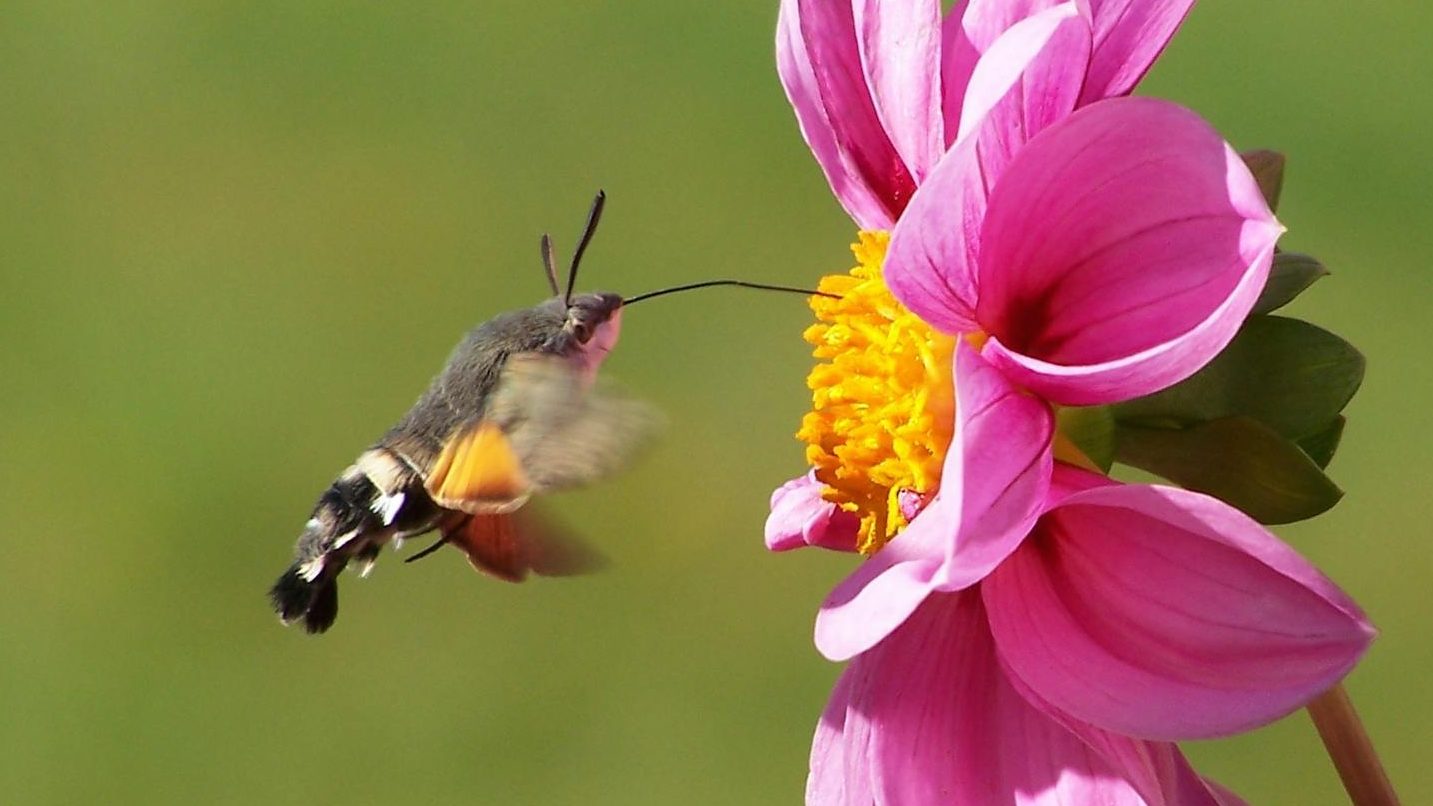
These services moderate and control environmental processes like climate regulation, water purification, soil fertility and pollination, mitigating natural disasters and human impacts. Biodiversity enhances resilience to disturbances and provides biological buffers against environmental changes, safeguarding human well-being, ecological integrity, and maintaining balance.
Provisioning
This is what most minds go to when thinking about what nature gives us – provision of food, water, building supplies, and medicinal plants. This includes all of the material benefits and goods, supporting human needs and livelihoods. Biodiversity ensures the availability and sustainability of resources, particularly in food production, benefiting millions of people worldwide.

Cultural
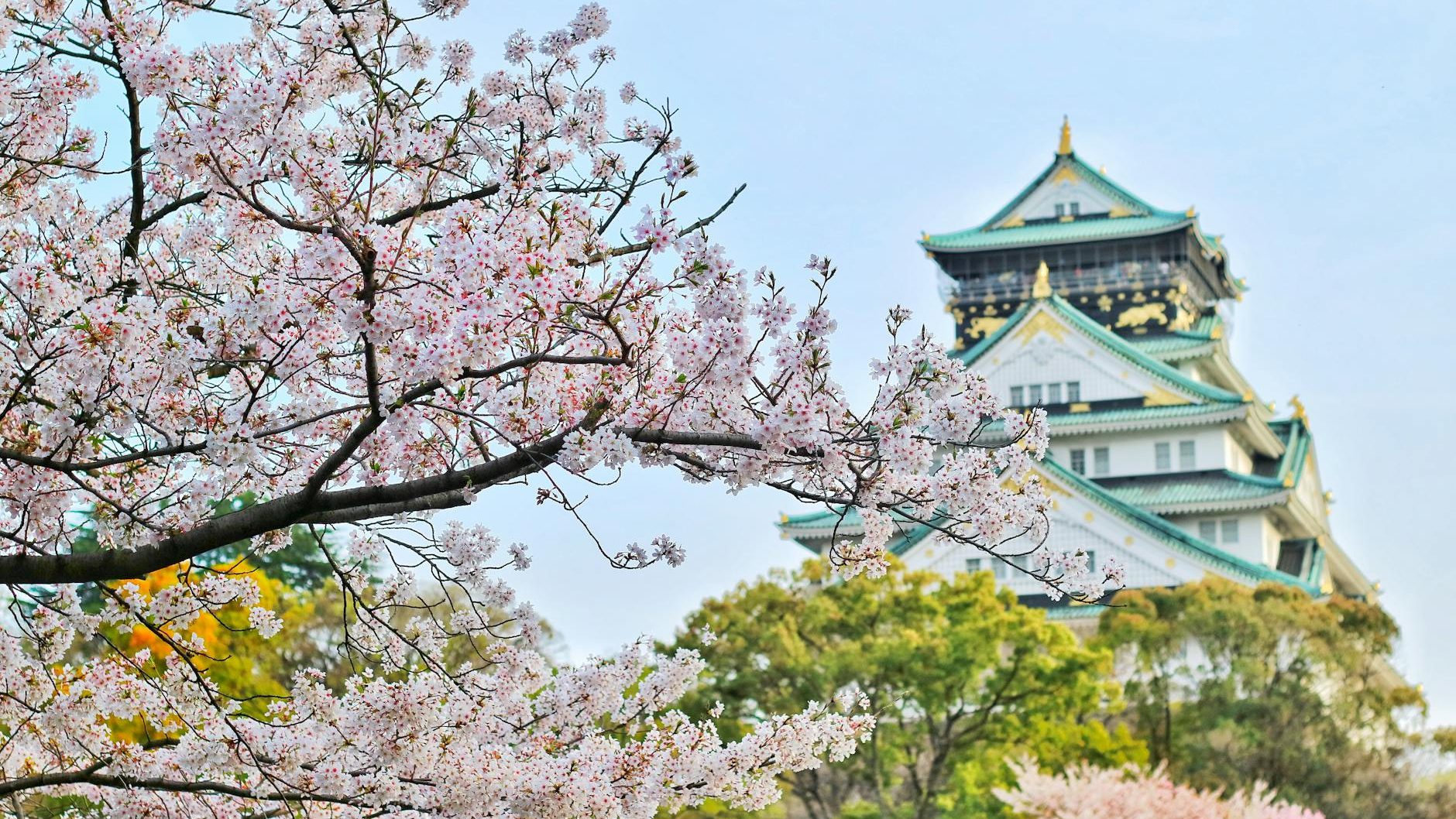
Non-material benefits such as aesthetic, recreational, and spiritual values enrich human lives and promote cultural diversity. Biodiversity inspires art, supports recreational activities like ecotourism, and preserves traditional knowledge, enhancing cultural identity and well-being globally. Think about how nature provides a cultural value or entertaining benefit for you.

What are the major causes of biodiversity decline?
The alarming loss of biodiversity has emerged as a critical global concern, with approximately 1 million species facing the threat of extinction, many within mere decades. This acceleration in species disappearance, occurring at rates 10 to 1,000 times faster than the historical background rate of extinction, paints a stark picture of our current ecological crisis. Indeed, scientists warn that we are amidst the throes of the ‘sixth mass extinction event,’ the first in Earth’s history primarily driven by a single species—humans.
The comprehensive Living Planet Report from WWF underscores the severity of the situation, revealing a shocking 69% decline in global wildlife populations since 1970. With such dire statistics, the urgency of addressing biodiversity loss has never been clearer.
From habitat destruction and fragmentation to the far-reaching impacts of climate change, pollution, and overexploitation, understanding and addressing these factors is paramount for the development of effective conservation strategies and the cultivation of a sustainable relationship between humanity and the natural world.

CLIMATE CHANGE
Read more…
Climate change, driven primarily by human activities such as the burning of fossil fuels and deforestation, is altering global temperature patterns, precipitation levels, and weather extremes.
These changes disrupt ecosystems and threaten the survival of many species by impacting habitat suitability, migration patterns, and food availability. Rising temperatures can lead to shifts in species distributions, coral bleaching — a phenomenon where stressed corals expel symbiotic algae, causing them to turn white — and increased frequency of extreme weather events, exacerbating the pressures on vulnerable populations and contributing to biodiversity loss.
It is also important to recognise that climate change exacerbates ocean acidification, as when CO2 emissions rise, a significant portion of the excess CO2 is absorbed by the world’s oceans. When CO2 dissolves in seawater, it reacts with water to form carbonic acid, leading to a decrease in pH and making the water more acidic. This is affecting coral reefs globally, and is devastating these havens of life.
HABITAT LOSS & DEGRADATION
Read more…
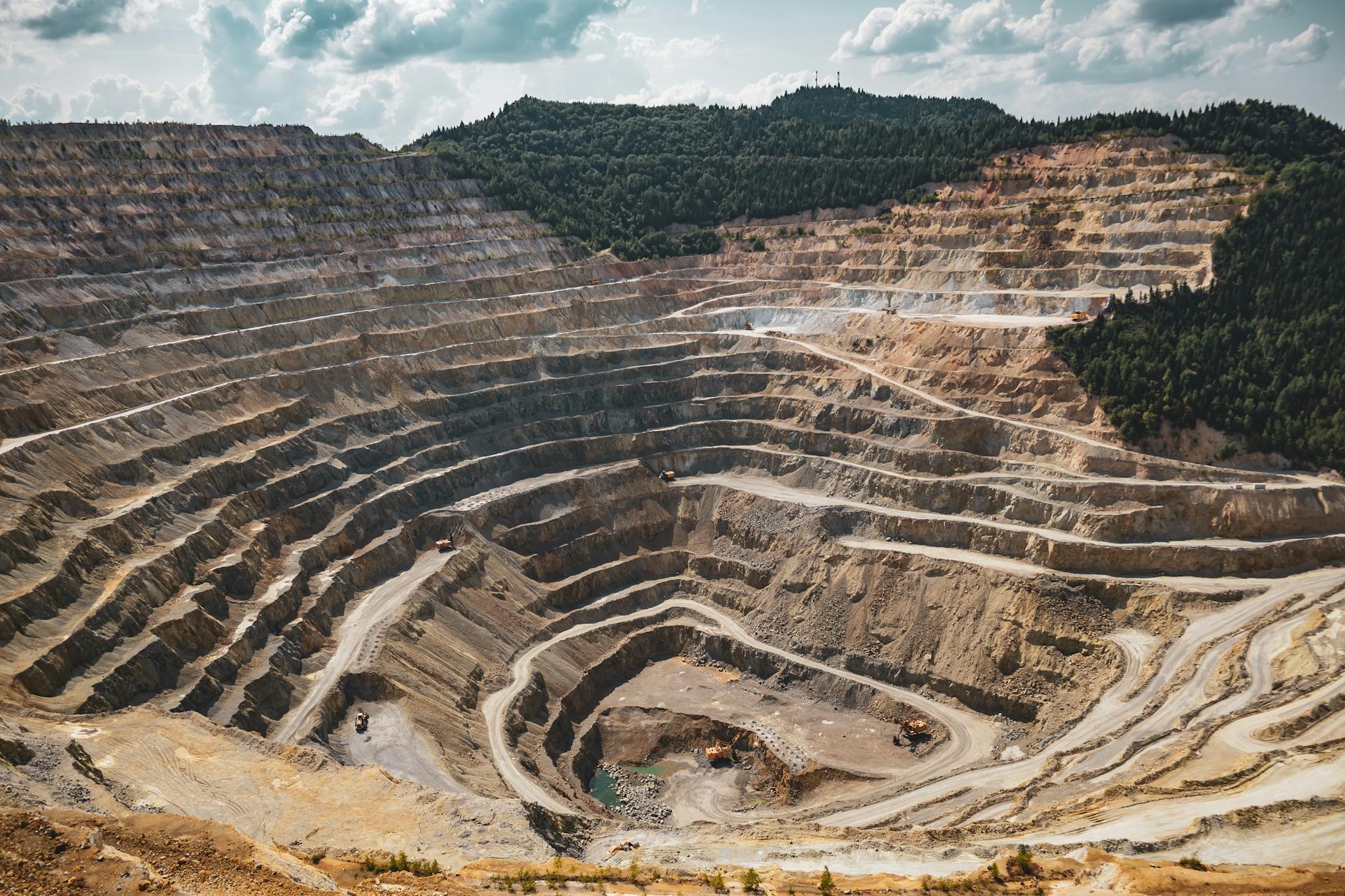
Habitat loss and degradation result from human activities such as deforestation, urbanisation, and conversion of natural landscapes for agriculture and infrastructure.
These activities destroy or alter habitats, reducing the available space and resources for wildlife and ecosystems. As habitats disappear, species lose their homes, food sources, and breeding grounds, leading to declines in population sizes, loss of genetic diversity, and increased risk of extinction.

HABITAT FRAGMENTATION
Read more…
Habitat fragmentation occurs when large, continuous habitats are divided into smaller, isolated patches by human activities such as roads, urban development, and agriculture.
Fragmentation disrupts ecological processes such as species dispersal, gene flow, and access to resources, leading to increased isolation of populations, reduced genetic diversity, and decreased resilience to environmental changes. Fragmented habitats also increase edge effects and vulnerability to invasive species, further threatening biodiversity.

OVER EXPLOITATION
Read more…
Overexploitation of natural resources, driven by human demand for food, medicine, fuel, and other goods, threatens the survival of many species and ecosystems.
Unsustainable hunting, fishing, logging, and harvesting can deplete populations, disrupt food webs, and alter ecosystems. Overexploitation can lead to population declines, species extinctions, and loss of biodiversity, affecting ecosystem functioning, human livelihoods, and global biodiversity.
INVASIVE SPECIES
Read more…
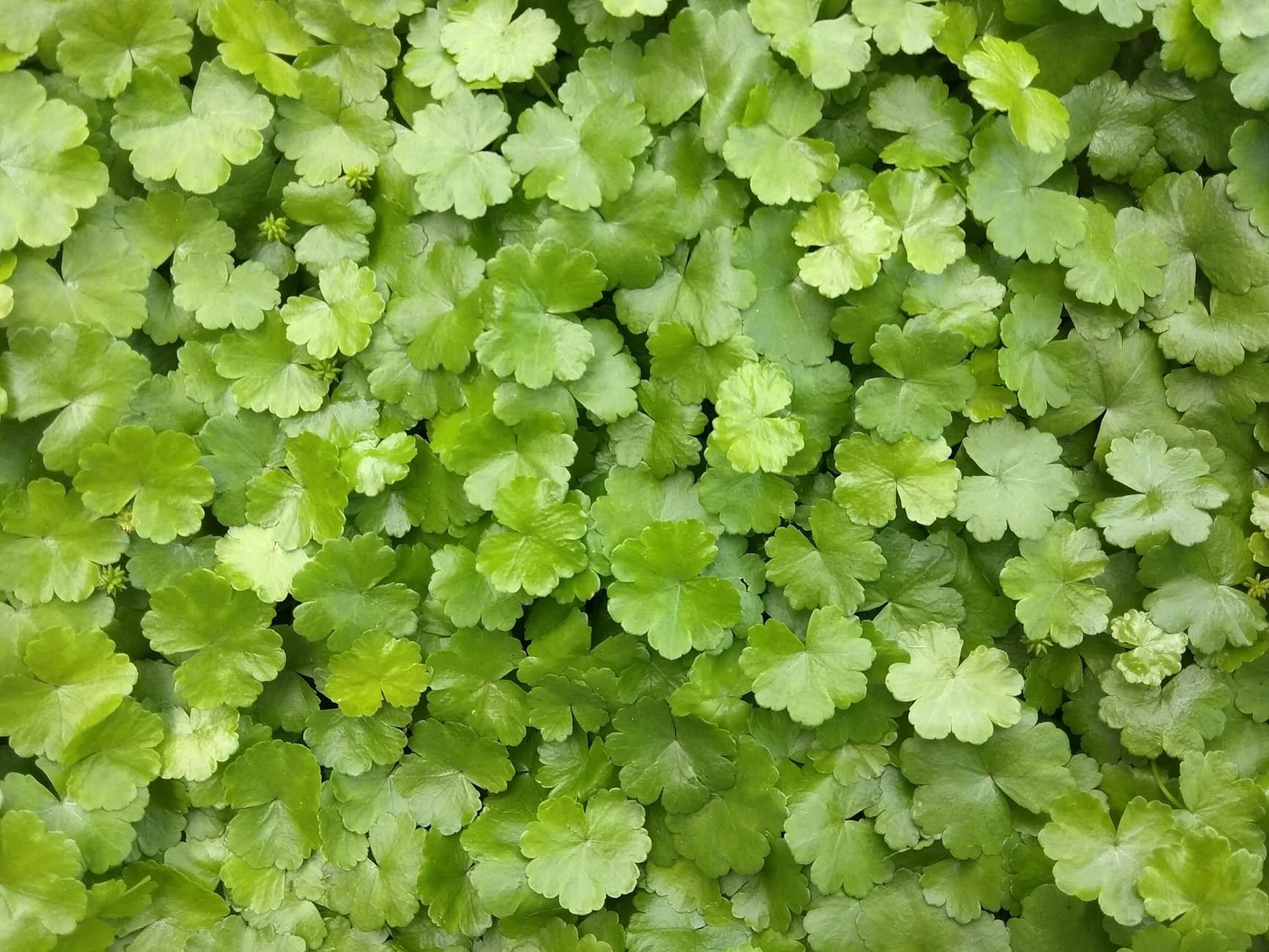
Invasive species, introduced into new environments by human activities such as trade and travel, can outcompete native species, disrupt ecological processes, and alter ecosystems.
Invasive species often lack natural predators or competitors in their new habitats, allowing them to rapidly spread and dominate local ecosystems. This displacement of native species can lead to declines in biodiversity, loss of ecosystem services, and disruptions in food webs, posing significant threats to native wildlife and ecosystems. Read more about invasive species here.

POLLUTION
Read more…
Pollution comes from many sources such as industrial waste, agricultural runoff, plastics, chemicals, sound and light. These contaminate air, water, and soil, harming ecosystems and wildlife.
Pollution can poison and kill organisms, disrupt ecological processes, and degrade habitats, leading to declines in biodiversity and ecosystem health. From toxic algal blooms and marine debris to air pollution and soil contamination, the impacts of pollution on biodiversity are far-reaching and pervasive.

DISEASE
Read more…
Disease outbreaks, exacerbated by factors such as habitat loss, climate change, and global trade, pose significant threats to wildlife populations and biodiversity.
Pathogens can spread rapidly through populations, causing mass mortality events, population declines, and local extinctions. Disease outbreaks can destabilise ecosystems, disrupt ecological interactions, and weaken the resilience of species already facing other stressors, contributing to biodiversity loss.
OUR DISCONNECT WITH NATURE
Read more…
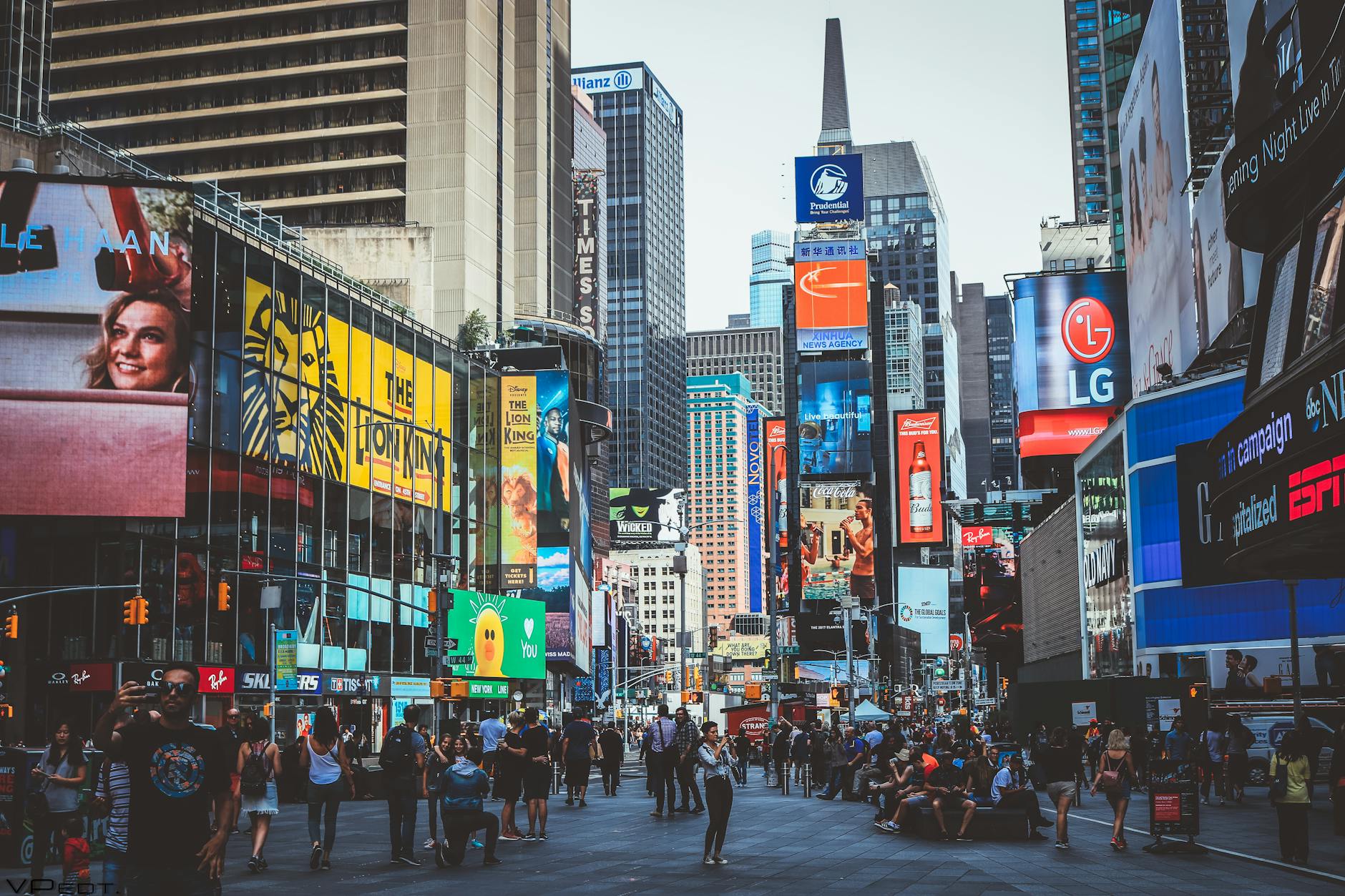
In addition to the seven main drivers of biodiversity loss, there is another critical factor contributing to the decline of ecosystems and species diversity: our disconnect with nature.
As human societies become increasingly urbanised and technologically oriented, we are losing touch with the natural world and undervaluing its importance. This disconnect manifests in various ways, from diminished appreciation for biodiversity to prioritizing economic growth over environmental conservation. As a result, our consumption patterns often ignore the long-term consequences on ecosystems and species, leading to unsustainable practices such as habitat destruction, pollution, and overexploitation of natural resources.
Reconnecting with nature, fostering a deeper understanding of our dependence on biodiversity, and integrating conservation into our daily lives are essential steps toward reversing the trend of biodiversity loss and promoting harmony between humans and the natural world.
“Our unsustainable engagement with Nature
The Economics of Biodiversity: The Dasgupta Review
is endangering the prosperity of current and future generations.”

Conservation: The protection, management, and sometimes restoration of Earth’s natural habitats, species, and ecosystems.
Why is conservation important?
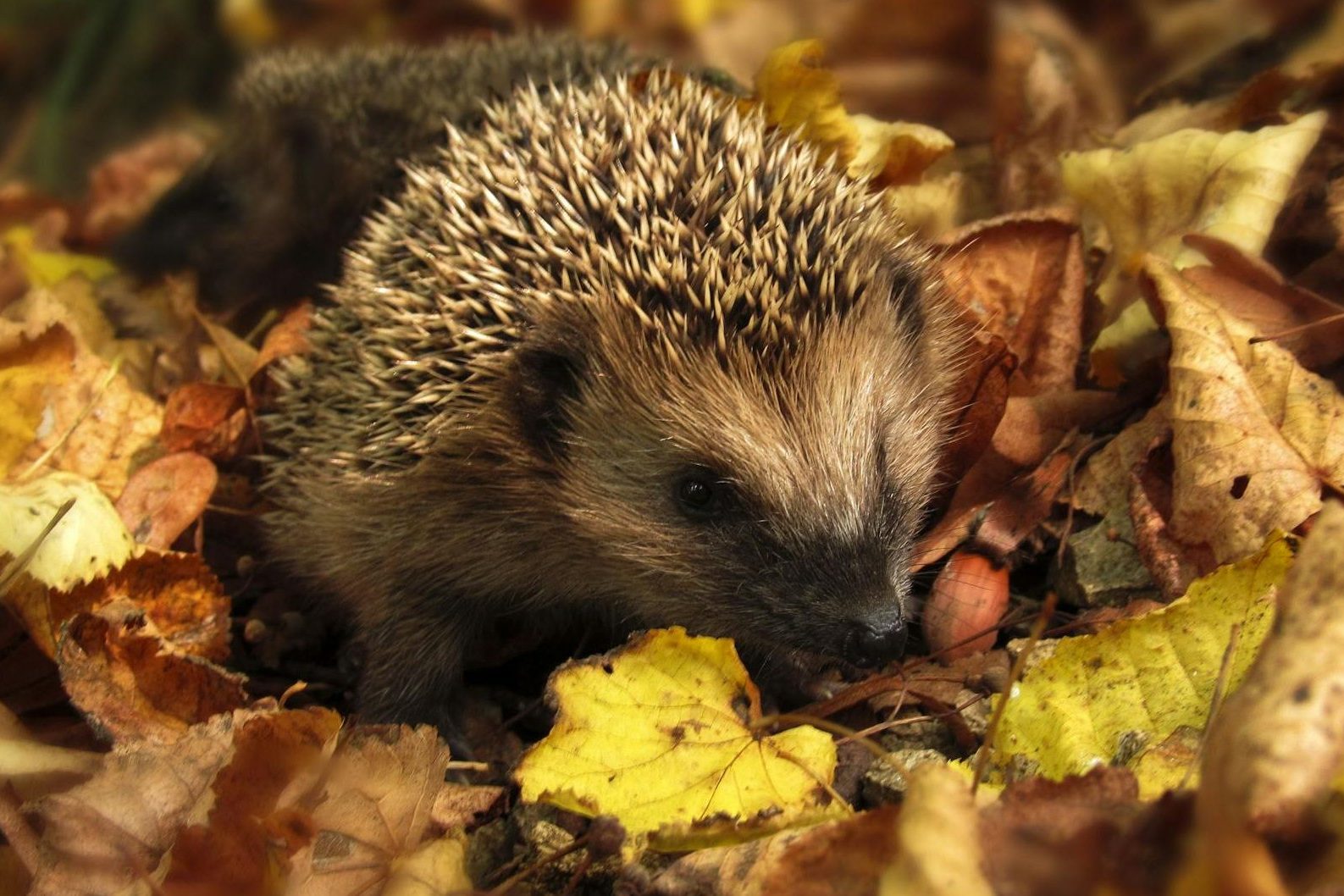
Conservation efforts play a vital role in protecting biodiversity and preserving ecosystems for future generations.
These efforts encompass a wide range of strategies aimed at mitigating threats to biodiversity, restoring degraded habitats, and promoting sustainable use of natural resources. Through conservation, we can help to tackle climate change, support sustainable agriculture, protect endangered species and improve biodiversity – which we all know now is super important!


Conservation efforts are most effective when approached in a holistic manner that considers the interconnectedness of ecosystems, species, and human communities. A holistic approach recognises that conservation is not just about protecting individual species or habitats, but also about addressing the underlying drivers of biodiversity loss and promoting sustainable relationships between people and nature. This approach emphasises the importance of collaboration, integration of diverse perspectives, and consideration of social, economic, and cultural factors in conservation decision-making.
You can make a difference, and it’s communities like ours that should support each other in this endeavour to conserve our biodiversity. Take a look at some companies, charities and organisations making a difference below:










Start the conversation, and discuss biodiversity here!
You can use some of our helpful prompts below:
 Do you think biodiversity is important?
What have you learnt about biodiversity?
What interests you the most?
Will you be getting involved in conservation?
Which do you think is the biggest cause for loss of biodiversity?
Response to “Biodiversity”
-
I had no idea there were so many different species on earth! It’s crazy that most of them have not been discovered.
LikeLike


Test your knowledge with this biodiversity quiz below!

Details
Photo Credits
Photo by Tom Fisk on Pexels.com
Photo by Mabel Amber on Pexels.com
Photo by Francesco Ungaro on Pexels.com
Photo by Krisztian Nagy on Pexels.com
Photo by Philipp Deus on Pexels.com
Photo by Pixabay on Pexels.com
Photo by Bagus Pangestu on Pexels.com
Photo by Simon Berger on Pexels.com
Photo by Vlad Cheu021ban on Pexels.com
Photo by Micah Boerma on Pexels.com
Photo by Oziel Gu00f3mez on Pexels.com
Photo by soso vipp on Pexels.com
Photo by Magda Ehlers on Pexels.com
Photo by Erik Karits on Pexels.com
Photo by Liron Malyanker on Pexels.com
Photo by monicore on Pexels.com
Photo by Carsten Ruthemann on Pexels.com
References
Bongaarts, J. (2019). IPBES, 2019. Summary for policymakers of the global assessment report on biodiversity and ecosystem services of the Intergovernmental Science‐Policy Platform on Biodiversity and Ecosystem Services. Population and Development Review, 45(3), pp.680–681. doi:https://doi.org/10.1111/padr.12283.
Jaureguiberry, P., Titeux, N., Wiemers, M., Bowler, D.E., Coscieme, L., Golden, A.S., Guerra, C.A., Jacob, U., Takahashi, Y., Settele, J., Díaz, S., Molnár, Z. and Purvis, A. (2022). The direct drivers of recent global anthropogenic biodiversity loss. Science Advances, 8(45).
La Notte, A., D’Amato, D., Mäkinen, H., Paracchini, M.L., Liquete, C., Egoh, B., Geneletti, D. and Crossman, N.D. (2017). Ecosystem services classification: A systems ecology perspective of the cascade framework. Ecological Indicators, 74, pp.392–402. doi:https://doi.org/10.1016/j.ecolind.2016.11.030.
Mora, C., Tittensor, D.P., Adl, S., Simpson, A.G.B. and Worm, B. (2011). How Many Species Are There on Earth and in the Ocean? PLoS Biology, 9(8), p.e1001127.
United Nations (2019). UN Report: Nature’s Dangerous Decline ‘Unprecedented’; Species Extinction Rates ‘Accelerating’. [online] United Nations Sustainable Development. Available at: https://www.un.org/sustainabledevelopment/blog/2019/05/nature-decline-unprecedented-report/#:~:text=The%20Report%20finds%20that%20around.
Wiens, J.J. (2023). How many species are there on Earth? Progress and problems. PLOS Biology, 21(11), pp.e3002388–e3002388. doi:https://doi.org/10.1371/journal.pbio.3002388.


 BioCapture
What are your thoughts?