
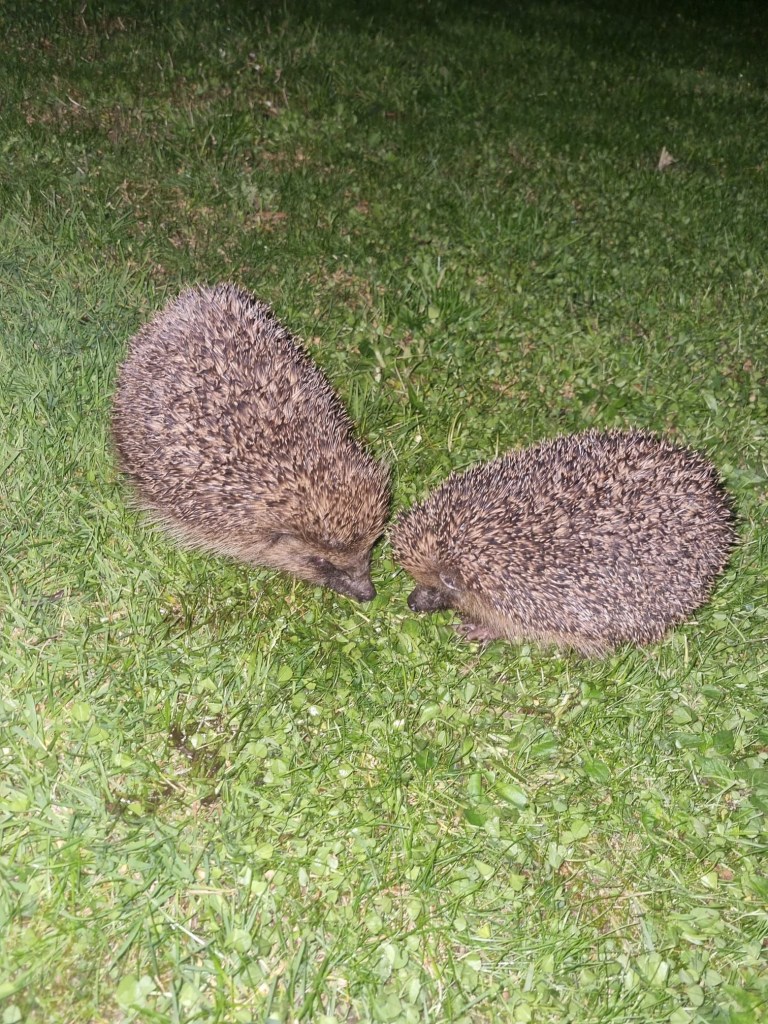

Hedgehogs are a vital part of our local ecosystem. Here we can show how ‘hedgehog hotels’ support their survival, how to create your own hedgehog hotel, and why protecting them matters for biodiversity.

Hedgehogs are native to the UK and are loved and recognised by many people. These small, adorable mammals are mostly known for their spiny coats and their ability to roll themselves into a ball when threatened. A small number of these nocturnal animals have been spotted in Tower Hamlets; however, their numbers are rapidly declining, and they are now listed as vulnerable on the UK Red List. As a result, it is detrimental that we do our part to help these beloved animals, as they are a vital indication of a healthy ecosystem and help control the pests in our gardens!
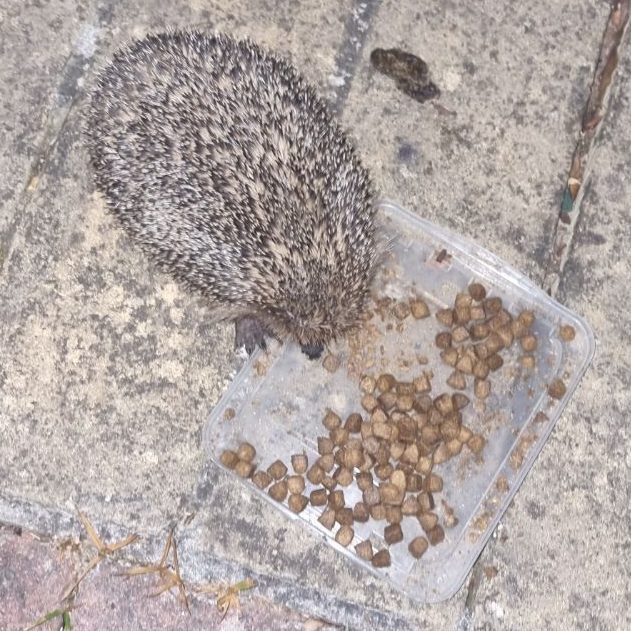
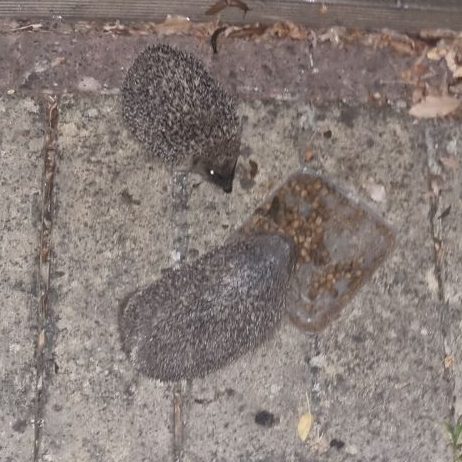
Hedgehogs in the Urban Jungle
Within Tower Hamlets, hedgehogs have only been recorded in a few locations, particularly around the Isle of Dogs and Victoria Park, where hedges and dense vegetation provide suitable habitat.
Hedgehog numbers are still uncertain, therefore public sightings are extremely valuable! If you see a hedgehog, you can help by reporting it. Records of hedgehogs (along with bats, frogs, sparrows and stag beetles) can be submitted at towerhabitats.org. Your observation could help monitor local wildlife and support conservation efforts.
These critters have adjusted their lifestyle to live alongside ours. They use our gardens to feast on soil dwelling insects and worms, keeping their tiny stomachs full and helping regulate populations of soil dwelling insects and worms. When there are no places for them to hide, hedgehog population declines rapidly due to being vulnerable to predators such as foxes, dogs, cats and even humans. Therefore, having green corridors and suitable habitats benefits noth hedgehogs and the local community.
Threats to Hedgehogs in Tower Hamlets
Habitat Loss
The biggest threat Hedgehogs are facing is the loss of habitat. As a densely populated borough, many gardens are heavily secured and isolated from one another. Barriers such as high walls, fences, and closed off outdoor spaces prevent hedgehogs from travelling between green areas. As a result, it is difficult for them to search for food, find shelter and reproduce.
The lack of connected space is the biggest reason for the rapid population decline.
Hazards from the Roads
Roads are very dangerous for Hedgehogs. As it is common for them to travel at night, they often need to cross roads to move between green spaces.
In busy urban areas, such as Tower Hamlets, they are vulnerable to road collisions, contributing to the decline of the population
Human Impact
Even in gardens, Hedgehogs face risks. Netting around fences can injure and trap the critters, and chemical pesticides may poison the Hedgehogs and the insects they prey on for food.

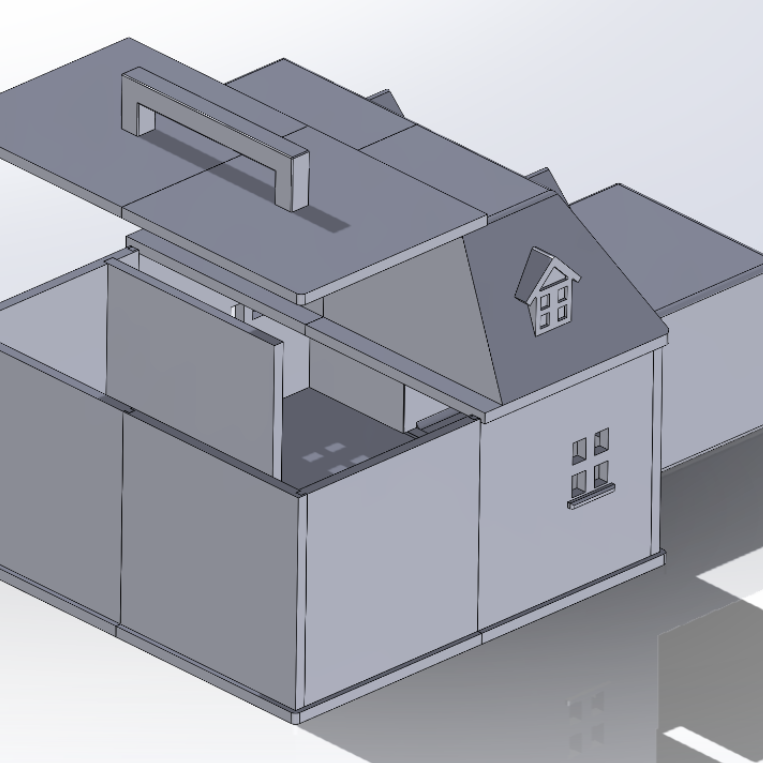
As a final year Zoology student, and using my knowledge working in the animal industry and other examples of hedgehog houses made by other people, I created one of my own designs and named it ‘The Hedgehog Hotel‘.
The Design
Having the enclosure be adequate for the animal was my priority. This included: Making sure it was fit for them to use without the threat of predators having access to them. Giving them access to food and water without the worry of external threats. Making it secure enough for them to rest, hibernate and even reproduce in.
Finally, making the Hedgehog Hotel aesthetically pleasing encourages people to do the same and keep them in their gardens, as this is a preferred habitat for hedgehogs.
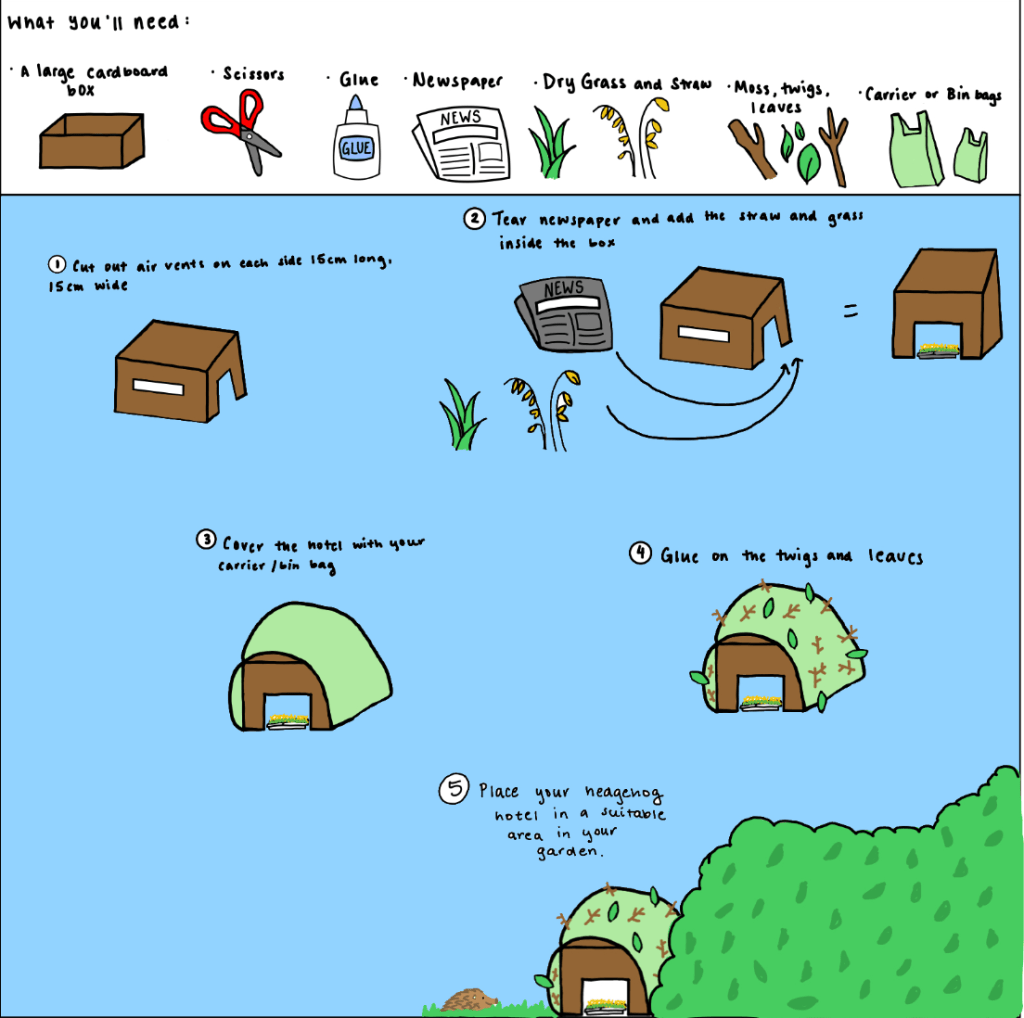
It was important for me to produce two versions of the Hedgehog Hotel to give options on what resources would be available to make them.
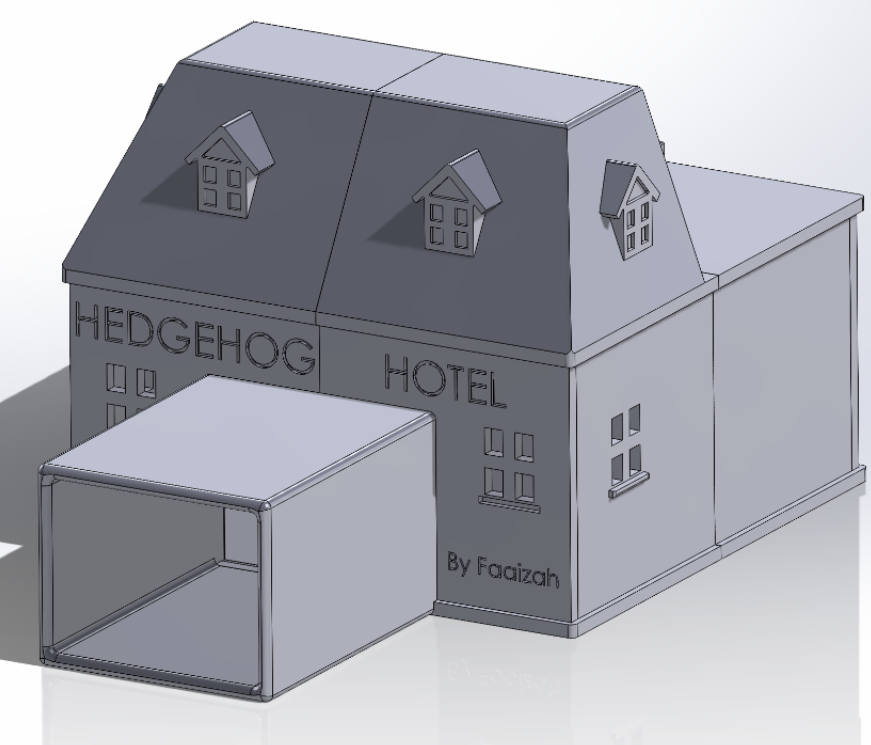
How to make a Hedgehog Hotel at Home!

Based on questions in a survey given out to the public.


 BioCapture