

Where Nature meets Wellness
by Hanan Ibrahim
Think plants are just pretty and give us oxygen? Think again! For thousands of years, plants have been our silent partners in health, offering natural remedies to boost energy, soothe aches, and keep us feeling our best. From ancient healers to modern scientists, the power of plants has been unlocking wellness secrets for generations.
Welcome to “Plants for Health” – your guide to discovering how everyday plants can be used to transform your well-being. Whether you’re a student juggling deadlines, a busy professional, or just someone curious about natural health, this is your space to explore the incredible world of plant-based remedies.
Why “Plants for Health”?
Life can be tough. Stress, late nights, and fast food often leave us feeling drained and out of energy. But what if the key to feeling better was growing right outside your door? Plants have been nature’s pharmacy for thousands of years, offering affordable, sustainable, and effective ways to support our health. From calming teas to immune-boosting berries, these green wonders are here to help.
And the best part? You don’t have to be an herbalist or scientist to benefit. Whether it’s a cup of willow bark tea for a headache or a spoonful of elderberry syrup to fight off a cold, nature’s remedies are simple, accessible, and surprisingly powerful.
Willow Bark: Nature’s Aspirin


Imagine this: thousands of years ago, ancient healers roamed forests and meadows, searching for cures. Among their discoveries was the willow tree. Its bark, packed with a compound called salicin, became a go-to remedy for pain, fever, and inflammation. Fast forward to today, and you’ll find that salicin is the foundation of modern aspirin.
Why it’s awesome:
- Relieve headaches, muscle pain, and joint inflammation.
- Gentler on the stomach than synthetic aspirin.
- A bridge between ancient wisdom and modern science.
How to use it:
Brew a soothing willow bark tea by simmering 1 teaspoon of dried bark in hot water for 10-15 minutes. Prefer something quicker? Look for willow bark capsules or powders at your local herbal store.
Pro-tip: If you’re allergic to aspirin or on blood thinners, check with your doctor before trying Willow
While willow bark is natural, it is not suitable for everyone. Those allergic to aspirin or on blood-thinning medications should consult a healthcare professional before use.
Fun fact: Beavers love willow bark too as it’s a staple in their diet and even helps them build their dams!
Dandelion: From Backyard Weed to Wellness Wonder

Dandelion (Taraxacum officinale) is far more common than garden weed. It is a remarkable plant with a long history of medicinal use. Traditional healers often used dandelion as a liver tonic, to reverse or prevent liver damage, and as a digestive aid. Dandelions are nutrient-rich and act as a natural diuretic, helping to detoxify the body and support urinary health.
For you students feeling run-down or of a little health boost, dandelion is a great choice. It helps detoxify your body and improves digestion
It can be either sipped as tea or taken as a supplement and it is an amazing addition taken as a supplement. It is an easy natural way to feel like yourself or better.
How to use dandelion:
Dandelion tea is an easy way of extracting its detoxifying properties. Add dried dandelion roots or leaves in hot water for 10 minutes and enjoy. You can also include dandelion leaves into your salads for a slightly bitter, but nutrient-rich addition to your meals.
Fun-fact:
Dandelions are one of the most resilient plants on the planet! Their seeds can travel up to 5 miles in the wind and grow in almost any environment, from cracks in the pavement to rocky mountain slopes. Plus, every part of the dandelion is edible. No wonder they’ve been a staple in traditional medicine and cuisine for centuries.
Elderberry:
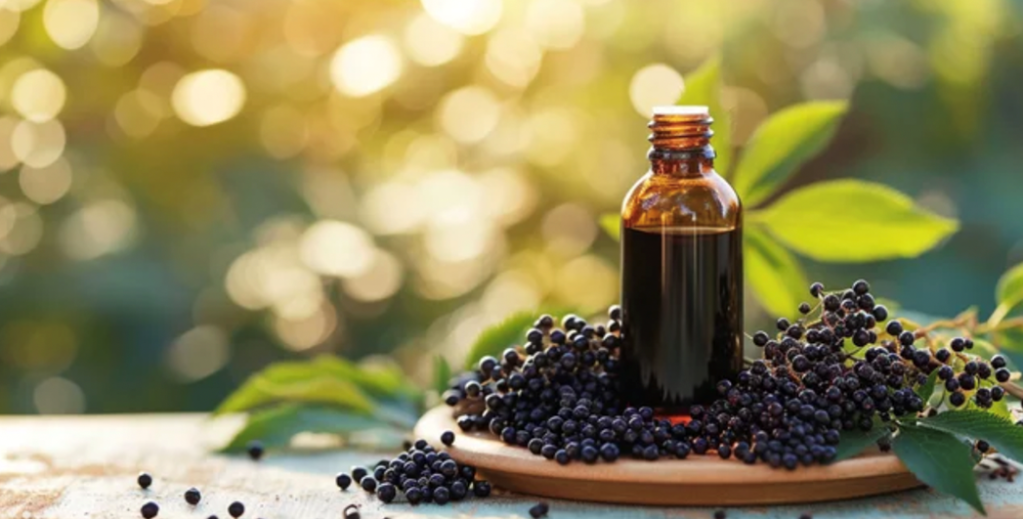
Elderberry (Sambucus nigra) is a powerful plant known for its immune-boosting abilities. It is used traditionally by Native Americans to treat infections, while European herbalists used it to make syrups to ward off colds and flu. These dark, glossy berries contain many antioxidants, making them a staple in natural medicine for centuries.
Modern science backs some of these traditional uses and the antiviral properties of elderberry. It proves the effectiveness of elderberry in reducing the severity and duration of colds and flu. Elderberry syrups and supplements have become increasingly popular as a natural way of supporting the immune system, particularly during flu season.
How to use elderberry:
A popular way of using elderberry is as a syrup. To make your own, simmer one cup of dried elderberries with four cups of water and a cinnamon stick for 45 minutes. Strain and add honey to sweeten it up, and store in the fridge.
A spoonful a day can help keep the colds at bay!
Elderberry gummies are another, arguably tastier, way to incorporate this immune booster into your routine.
Fun-fact:
The elder tree was considered sacred in ancient folklore, and it was thought that cutting one down without asking the tree spirit’s permission was said to bring bad luck.
Test your knowledge!
Play this fun Plants for Health quiz to find out if you’re a herbal expert!
Got questions? Ask us Anything!
Curious about how to use a specific plant? Or maybe you’ve tried a plant-based remedy and want to share your story? We’re here to help!
Thank You for Visiting “Plants for Health”!
We’re so glad you stopped by. Remember, the journey to better health doesn’t have to be complicated. Sometimes, the best remedies are growing right under your feet.


 BioCapture
What are your thoughts?