


The Tower Hamlets Area is buzzing with life, from tiny invertebrates, to birds with a wingspan bigger than you! Discover the creatures that lurk in our green spaces with…
…your guide to local species!

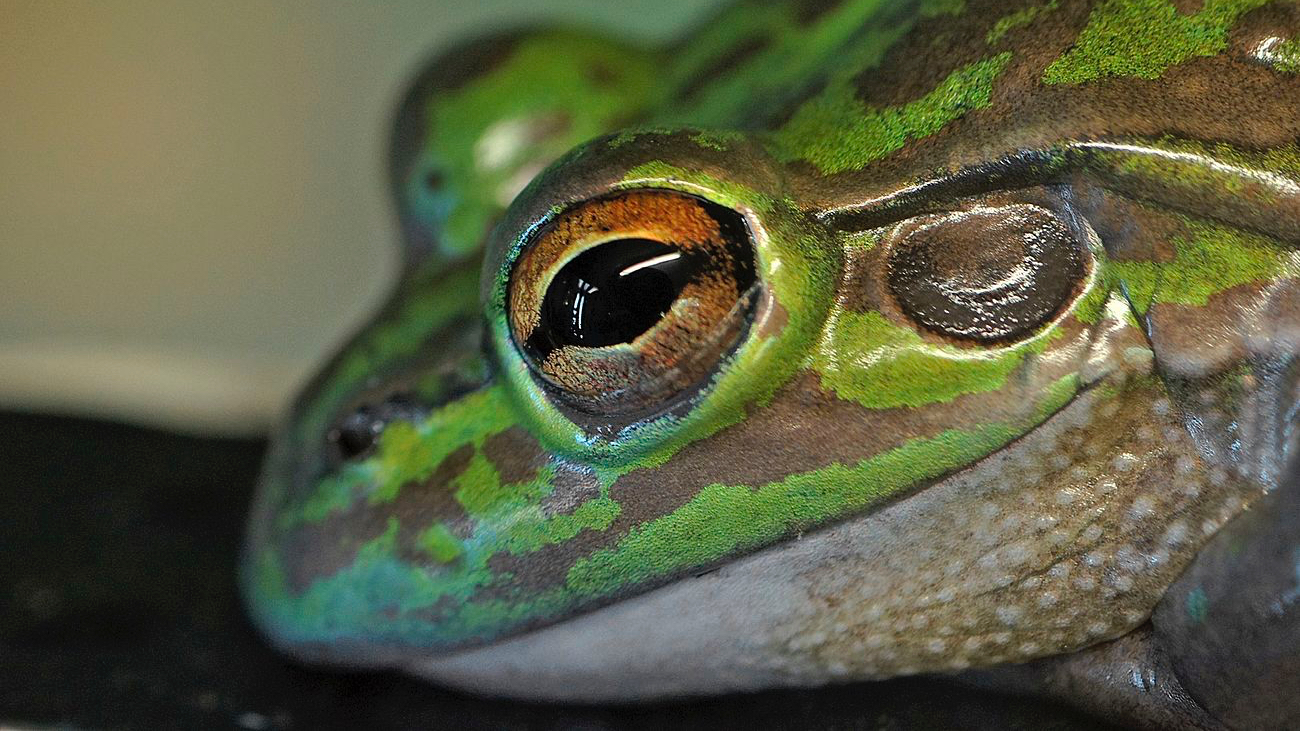


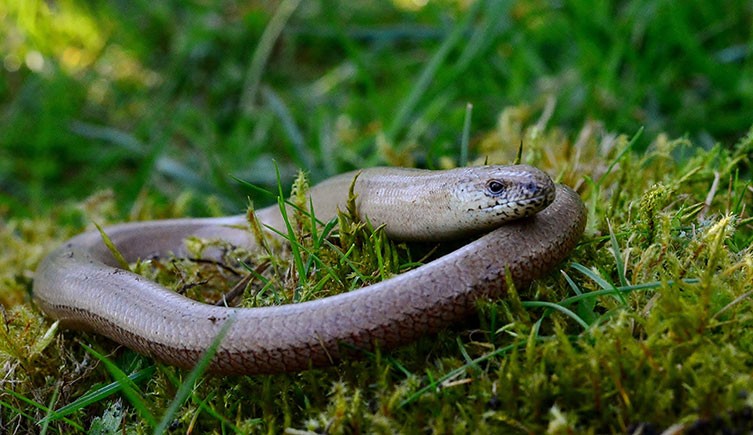


Check out our blog for species around Tower Hamlets! Here you can send in photos of the wildlife that you find around the area. Make sure to document the location of sightings too as these are included for every species on our finder.

What are they? Invasive species are more common than you would think. Non-native species are those that are outside of their normal ranges and not indigenous to a particular area. They become an invasive species when they cause harm to that new particular environment – whether that is changing the habitat of an existing ecosystem or starving native species of food and resources.
They can also therefore act as a threat to biodiversity – as they can take over an ecosystem, killing off the native species as stronger competition.
Importantly, it is often human-interaction that causing the movement of species and invasive species in particular.

 What invasive species can you find in Tower Hamlets?
Britain is home to over 3,000 invasive species! There are surprisingly many places where you can find invasive species in and around the Tower Hamlets area. Your first clue is below…

GREY SQUIRRELS
Perhaps the most infamous in London would be the Grey Squirrel, Sciurus carolinensis, which were first recorded in London in 1876. This invasive species over-took the native Red Squirrels in the UK, which are now only found in a few remote locations around Scotland and the Isle of White. This hasn’t only had implications for Red Squirrels, but has caused issues for other native species. They can damage local species of trees as well as being competition for other arboreal species.
Read more about Grey Squirrels in our Species finder here:
JAPANESE KNOTWEED
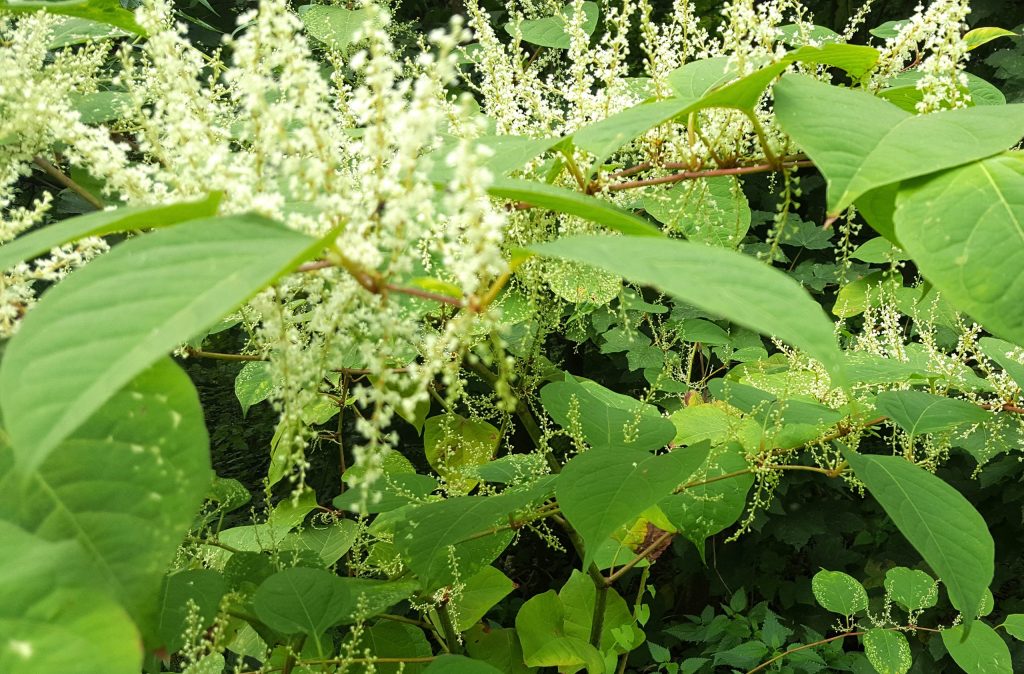
This plant is known to cause problems across the UK, first brought over to the UK by Victorians from East Asia. This species reproduce at a rapid rate which makes it deadly to the other plant species around the area. It is also very strong, causing issues with buildings such as collapsing brick walls and damaging patios and drains.

In our increasingly urbanised world, humans are experiencing a growing disconnect from nature. This negatively affects conservation efforts, as research has proven that a loss of emotional connection from nature is closely associated with a decline in people’s willingness to protect it.
As access to ‘real nature’ – anything that is ‘untouched nature’, or is perceived as so – becomes increasingly difficult in the modern world, researchers have been studying whether other forms of experiencing nature can act in its place to increase people’s connectedness to the environment. Watch Emma’s City Fox three-part wildlife documentary below to learn more about the lives of urban foxes:
Neighbourhood nature – like city parks and green islands populated by diverse flora and fauna – is a way for people to access nature at their doorstep, bypassing obstacles such as location, finances, and time availability. Research has been done on whether a mediated experience of nature – through documentary viewing, can achieve similar results as an unmediated one.
By Emma Soncini
A – Z
IMPORTANT (More species will be added so keep a look out, not just here, but on your explorations too!)


 BioCapture