
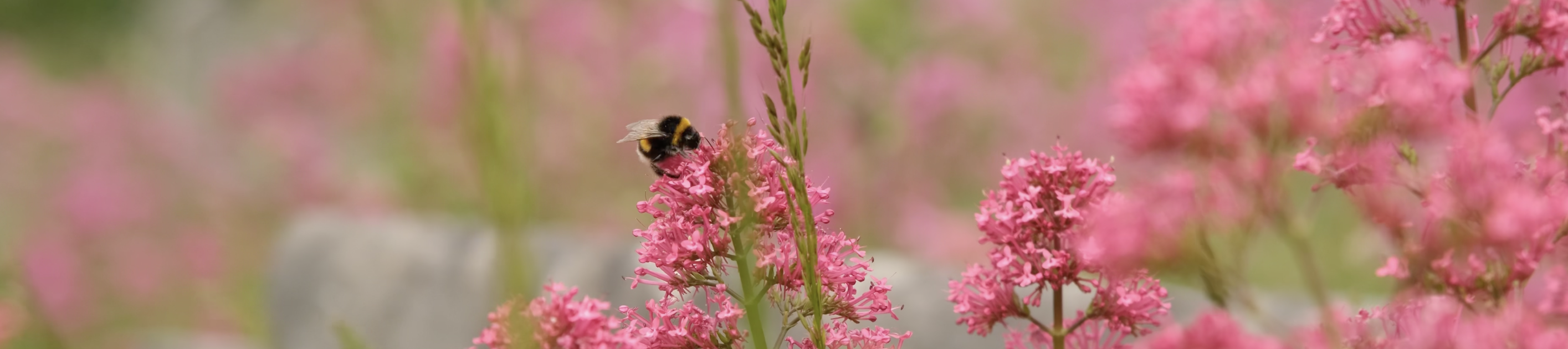

Bees are an integral part of ecosystems around us. Here we can show you our own QMUL honeybees, and how important they are to biodiversity!
Why Bees Are Worth More Than Just Honey by Evie Walker

What are pollinators?
Pollinators allow the movement of pollen which causes fertilisation of flowering plants. In the UK there are more than 1500 species of insect pollinators which are not limited to bees. For example: wasps, hoverflies, beetles, and moths.
Pollinators & Biodiversity
Pollinators are an important biotic factor in helping a multitude of species plant species reproduce. Around 90% of plant species and 75% of crop species rely on pollinators. Pollinators therefore increase biodiversity of plants.
Diversity in pollinator species can be argued to be more important than supporting the abundance of a few species. For example, it was found that when plants were visited by a diverse number of pollinators, plants produced a higher quality and quantity of seeds; an increase of plant species richness.
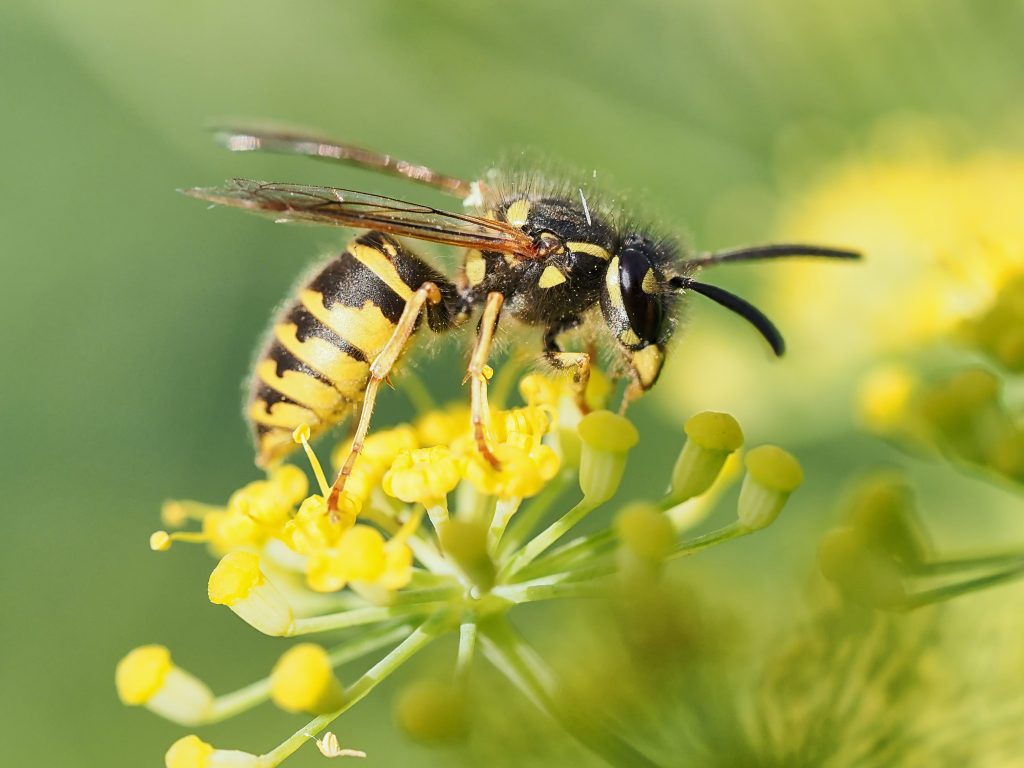
It’s important to be aware of lots of different types of pollinators! Bees, honeybees and the like!
HONEYBEES, BEES & POLLINATORS
Bees are arguably the most important pollinators
1/3 of the world’s crop species dependent upon bees. Their specific adaptations make them excellent at pollen collection, such as:
- Tiny hairs called scopae that allow them to carry lots of pollen grains.
- Amazing eyesight which results in them being able to see individual flowers and to pollinate moving flowers. They can even see colour five times quicker than us!
- Hair which enables them to sense if a flower was recently visited by another bee.
- Tongues to reach and drink different fluids.
 DID YOU KNOW?
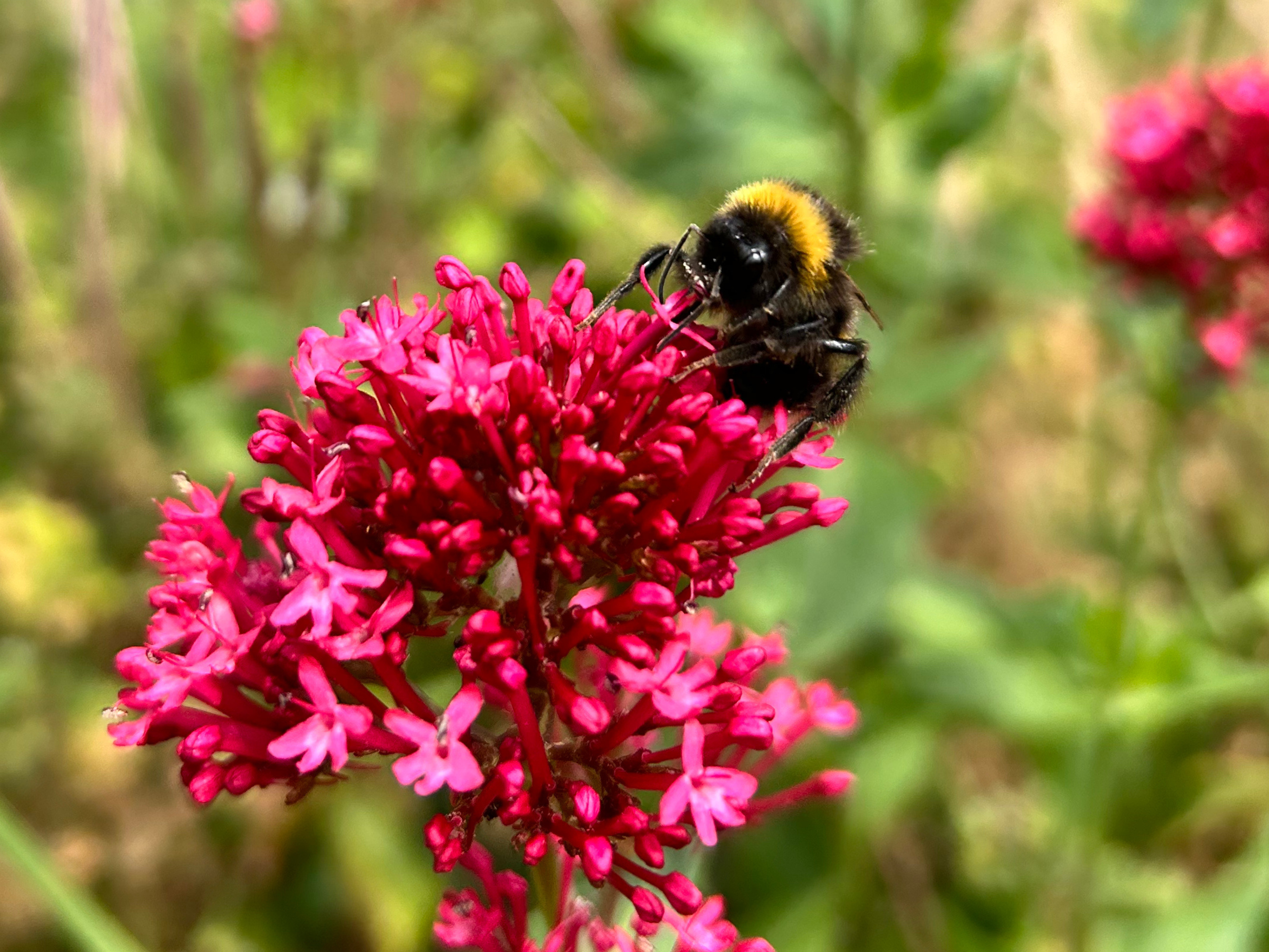
Bombus hortorum has the longest tongue out of all the British bumblebees with the tongue being an average length of 1.5cm.

How do bees collect pollen?
When bees collect the pollen grain this is called grooming and when they compact it, this is called pollen packing. Bees can have different packing and grooming behaviour. For example, some bees moisten the pollen, but other bees might not. Also, the pollen can be carried in different locations for example their hind legs or abdomen. Bees can moisten the pollen using saliva from their salivary glands or nectar.

Different types of bees
Bees can be categorised as either being generalist or specialist bees. Generalist bees forage on a variety of plant species whereas specialist bees forage on a select few. This is important because different plant species might need a specific bee to help with its reproduction.
Not only do different bees visit different plant species but they also display different behaviours depending on the conditions.

→ For example, wild bees can forage under different weather conditions such as high wind speeds compared to honeybees and they also forage different locations of a tree.
Certain bees are adapted for certain flowers.
→ For example, garden bumblebees have longer tongues compared to honeybees so they can forage flowers which are long and might be hard to reach. The size of the bee will also affect which flower they can forage.
Potential problems of the honeybees focus
- There can be competition between native bees and honeybees for floral resources and nesting sites.
- Too many honeybees decrease the amount of nectar on flowers which can negatively effect bumblebees as they prefer flowers which are nectar rich.
- Honeybees could introduce parasites which native bees would have no resistance to.
- Shouldn’t support the abundance of a few species of bees as plants which are visited by a diverse number of pollinators produce higher quality and quantity of seeds.
‘The Honey/Bee Conundrum’ There are actually over 270 species of bees in the UK, and only one of those species is the honeybee – thousands of species, it’s easy to get lost in the swarm of diversity!
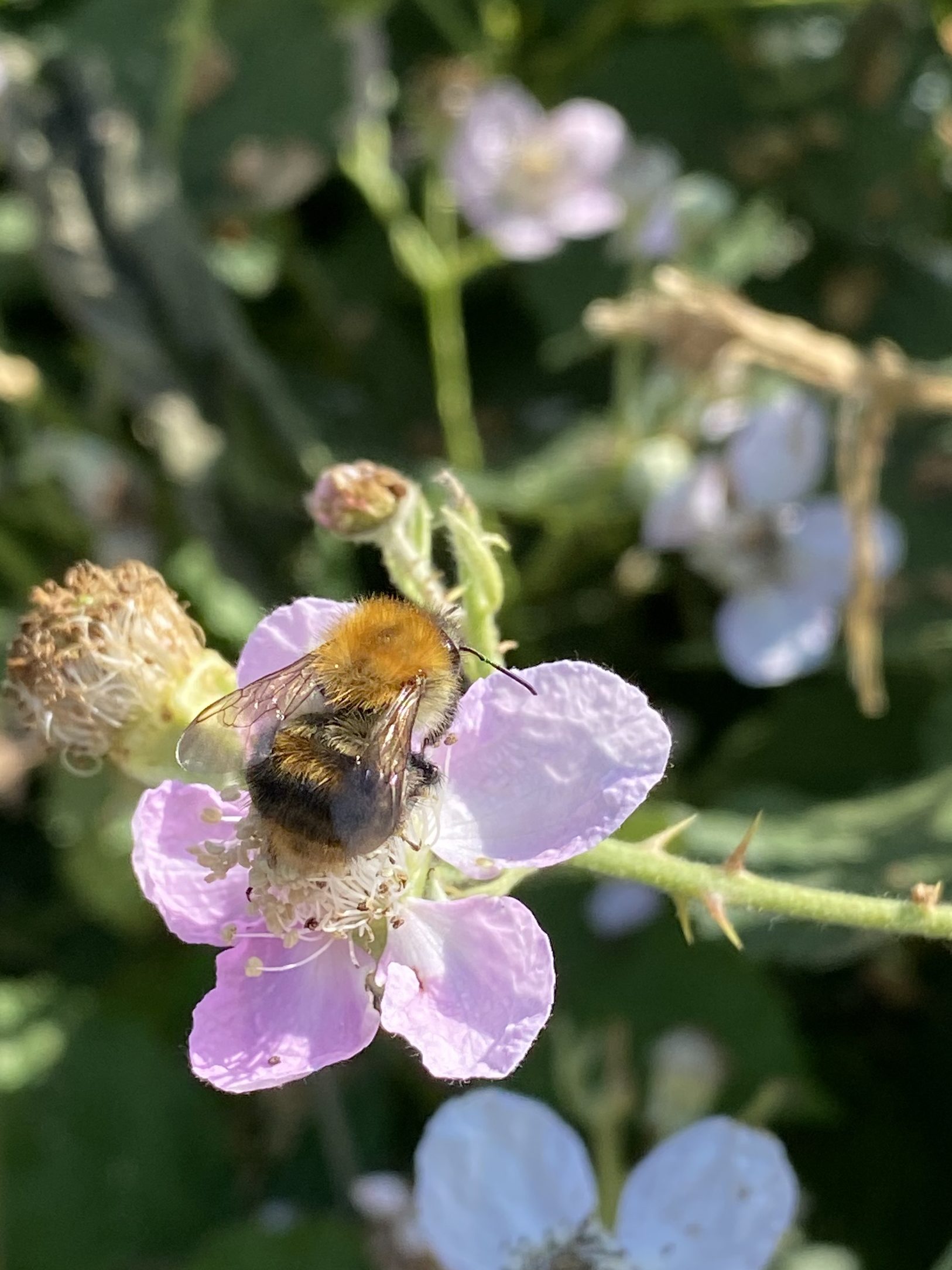
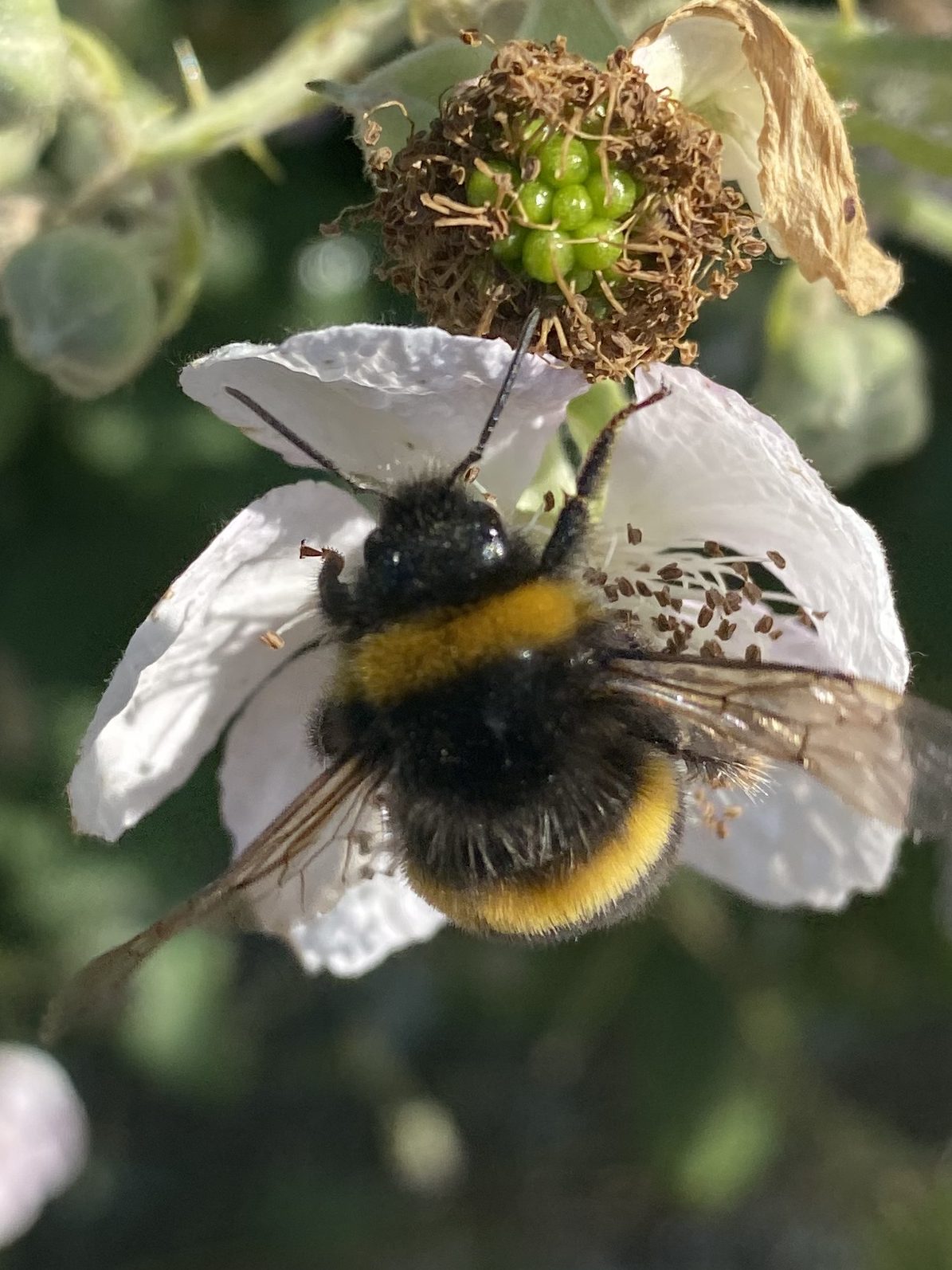


‘Bee’ a part of our blog!
Take the opportunity to see bees out in the wild, and document your findings here! Want to know what species you have found? Here we can discuss and share ideas!
Just email or DM us your photos from Tower Hamlets and London and we will upload your amazing pictures.




Leave your thoughts on the common bee misconceptions… opposing opinions are welcome! Discuss below:


 BioCapture
What are your thoughts?