
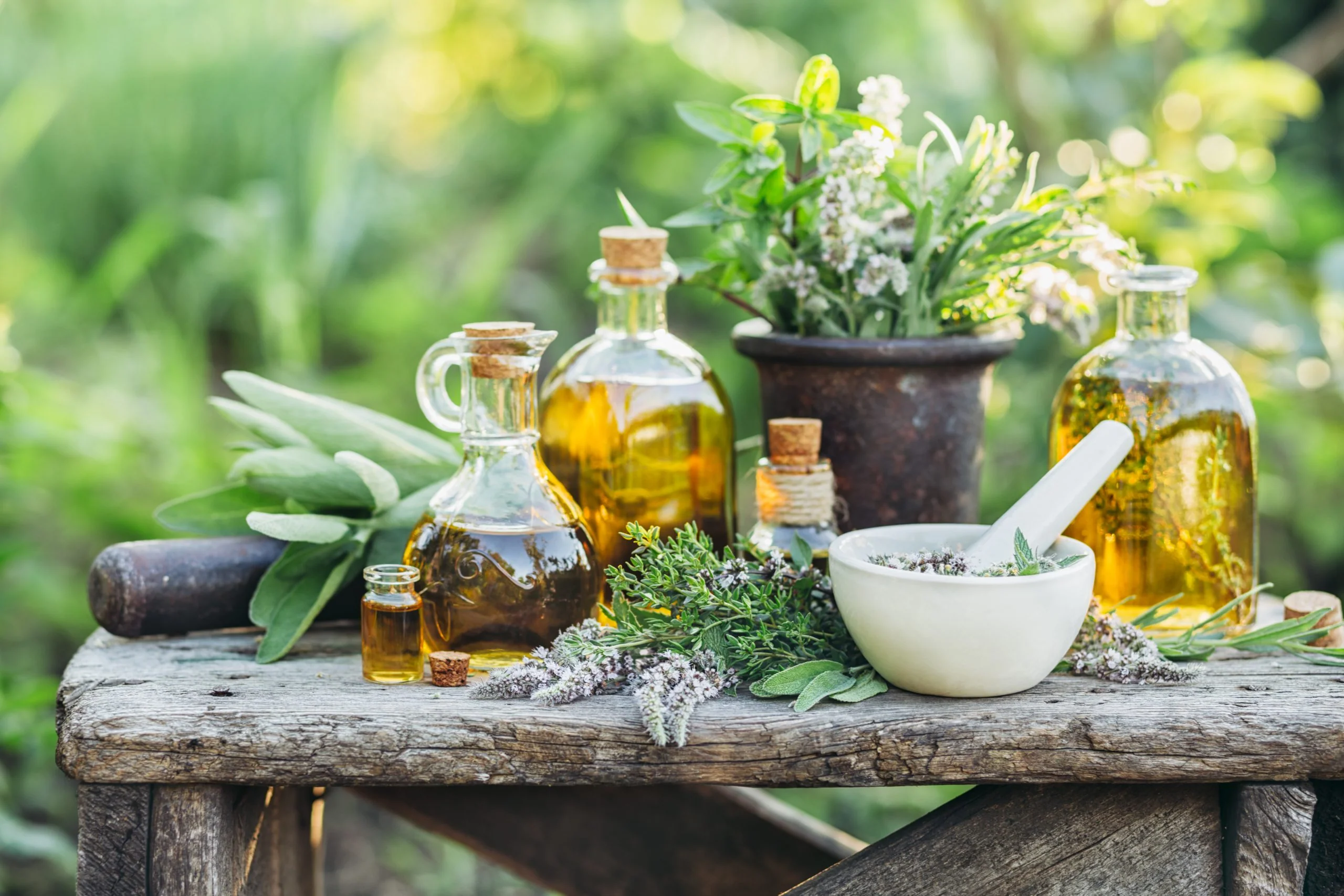
The History of Aromatherapy
Aromatherapy has roots in the use of fragrant plants by ancient civilisations, including the Egyptians, Greeks, Romans, Chinese and Indians, who used aromatic herbs, resins and oils in medicine, rituals and daily life. The modern practice began to take shape in the early twentieth century, when French chemist René-Maurice Gattefossé studied the properties of essential oils. Since then, aromatherapy has developed as a complementary wellbeing practice focused on the careful use of plant-derived aromas, while ongoing research continues to explore their effects on mood, relaxation and quality of life.

Summer Scents in Tower Hamlets
In Tower Hamlets during summer, everyday outdoor scents can create a local connection to aromatherapy: the sweet fragrance of roses and other flowering plants, the fresh green smell released by grasses and leaves, the warm, earthy scent of soil after rain, and the distinctive aromas of herbs growing in community gardens and window boxes. These natural smells can evoke memories, support a sense of place and encourage mindful attention to the environment. While the scents found outdoors are not the same as concentrated essential oils, noticing them offers a gentle way to explore how aromas can influence mood and wellbeing.
Lavender and Wellbeing

Lavender has a gentle, floral scent that many people associate with calm and relaxation. Its aroma may help create a soothing atmosphere and support a mindful bedtime routine, although responses vary from person to person and aromatherapy should complement—not replace—professional healthcare. Simply pausing to notice lavender’s fragrance can also encourage slow breathing and a stronger connection with the natural world.