


Most people have heard of the term ‘mental health walk’, especially post-COVID. So why exactly does going for a walk reduce stress and anxiety, and how is this linked to biodiversity? Here we discuss the ongoing and growing area of research that explores the positive impact of nature and biodiversity on human well-being.

There is a long history of nature and wildlife being used to help with mental and physical well-being, from Japanese techniques of ‘forest bathing’ (Shinrin-Yoku) to seawater therapy (Thalassotherapy) used by Mediterranean countries, dating further back to Egyptian times and Ayurvedic traditional practices from India using natural herbs. For instance, in Japan, forest bathing involves immersing oneself in the atmosphere of the forest, which has been proven to reduce stress hormones and boost mood. Activities that get us outside in green spaces can have many positive effects on our mental health.
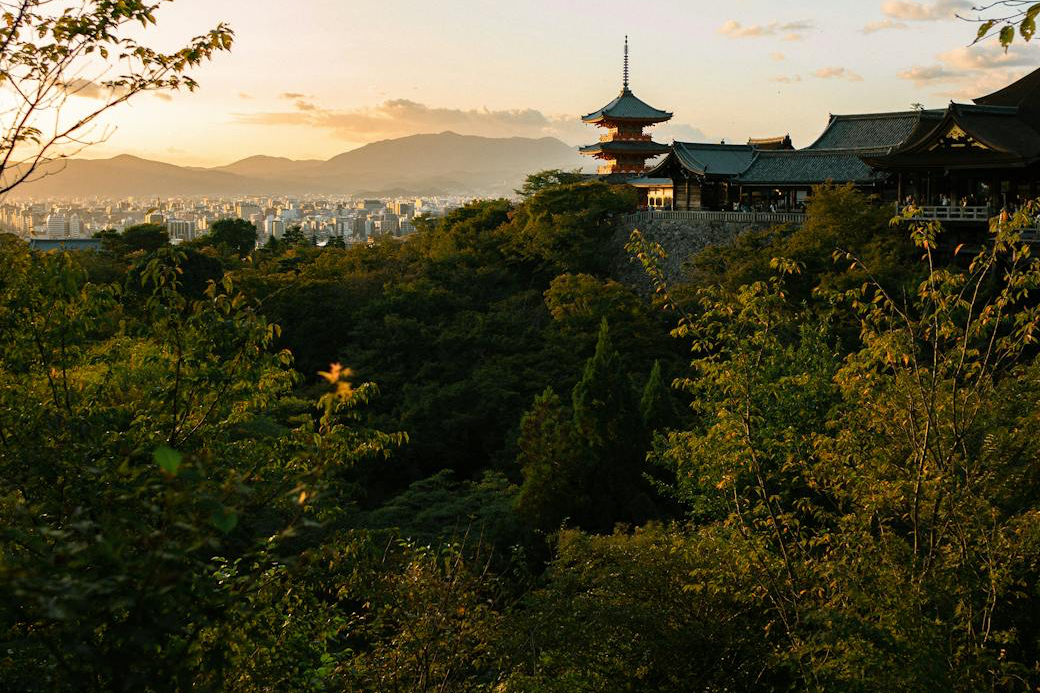
Here in London, we also have techniques and services in nature to better our mental health and well-being. From many different green spaces and nature walks to choose from, such as a walk down Regent’s Canal, a visit to Hyde Park, or our local Victoria Park. Some have even found it helpful for their well-being to volunteer in these spaces, including our City Farms, where at the Stepney City Farm, volunteers can spend time with animals.
Climate Anxiety
Anxiety and stress from the current climate crisis can also impact our mental health negatively, which is why some choose to volunteer in nature in order to help combat this in a way that they can. Living a more sustainable lifestyle is helpful, but can be tricky for some, so first becoming more aware of the biodiversity that surrounds us can help forge steps to understanding the importance of our planet.
The QMUL advice and counselling service is situated in Geography Square, visit them or contact them via +44 020 78828717. For more information and advice from Queen Mary click here.
Listen to some ‘Green Noise’ and ‘Nature Sounds’ below. These are just some examples, but there’s lots available to explore. Sounds from nature have been shown to promote relaxation and mindfulness – give it a go!
So, how can nature help us? Explore the link between Mental Health & Biodiversity:

REDUCES STRESS
Read more…
Time in nature has been shown to reduce blood pressure and production of “stress” hormones such as cortisol.
BOOSTS YOUR MOOD
Read more…
Being outside can stimulate the release of “happy” hormones such as endorphins.
Different forms of therapy such as ‘ecotherapy‘ work with nature to help tackle some mental health problems such as mild depression, anxiety and seasonal affective disorder (SAD).

ENHANCES PHYSICAL WELL-BEING
Read more…
Experiences in nature such as ‘forest bathing’ have been shown to increase a certain type of cell (Natural Killer – NK cells), which are vital to the immune system.
HEIGHTENS FOCUS, ATTENTION & PROBLEM SOLVING
Read more…
Spending time in nature can produce relaxing effects on the body and mind, and also provide an environment of less distractions and more positive association. This coupled with less exposure to technology can focus our attention and focus.
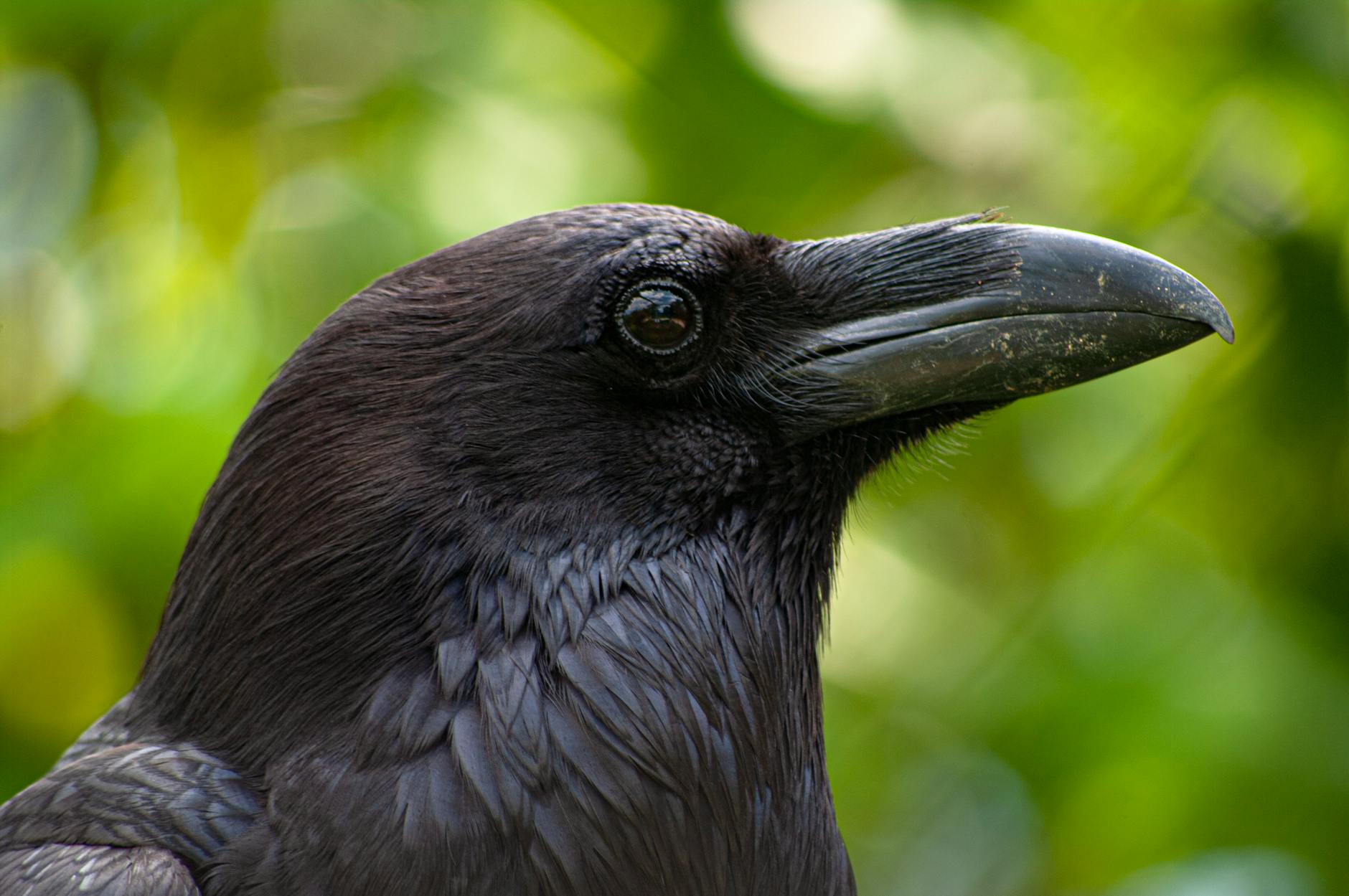
Did you know? Ravens are known for their impressive problem-solving skills? Watch this BBC Earth video that shows a Ravens skills put the test with a puzzle box.

IMPACT ON MEMORY
Read more…
It has been shown that a walk in nature can help our memory. A study from the UK found that those in surrounding greenness performed much better in the short-term and overall memory tests. Even more significantly, stress was dramatically reduced for those also in surrounding nature.
Did you know? Squirrels are known to have excellent long-term memories, as they bury thousands of nuts in multiple locations every Autumn known as ‘scatter-hoarding’.
PROMOTES RELAXATION
Read more…
It may not come as a surprise that being in nature can promote more relaxation than our inner bustling cities.
Not only does imagery and visually experiencing nature help to relax us, the sounds of nature have also been found to do the same. One study found that individuals that were the most stressed showed the greatest relaxation when listening to natural sounds.

Mental health affects everyone, and here at BioCapture, we look to build that connection between nature and how its ability to combat stress, especially if you are a university student at QMUL. Take a look at a quick little video below by Mohammed Tahmid.

Being a student can be stressful… Escape the pressure of approaching deadlines and exams by immersing in the campus’ rich biodiversity. Try out one of our trails and post a comment about how nature affects your well-being.
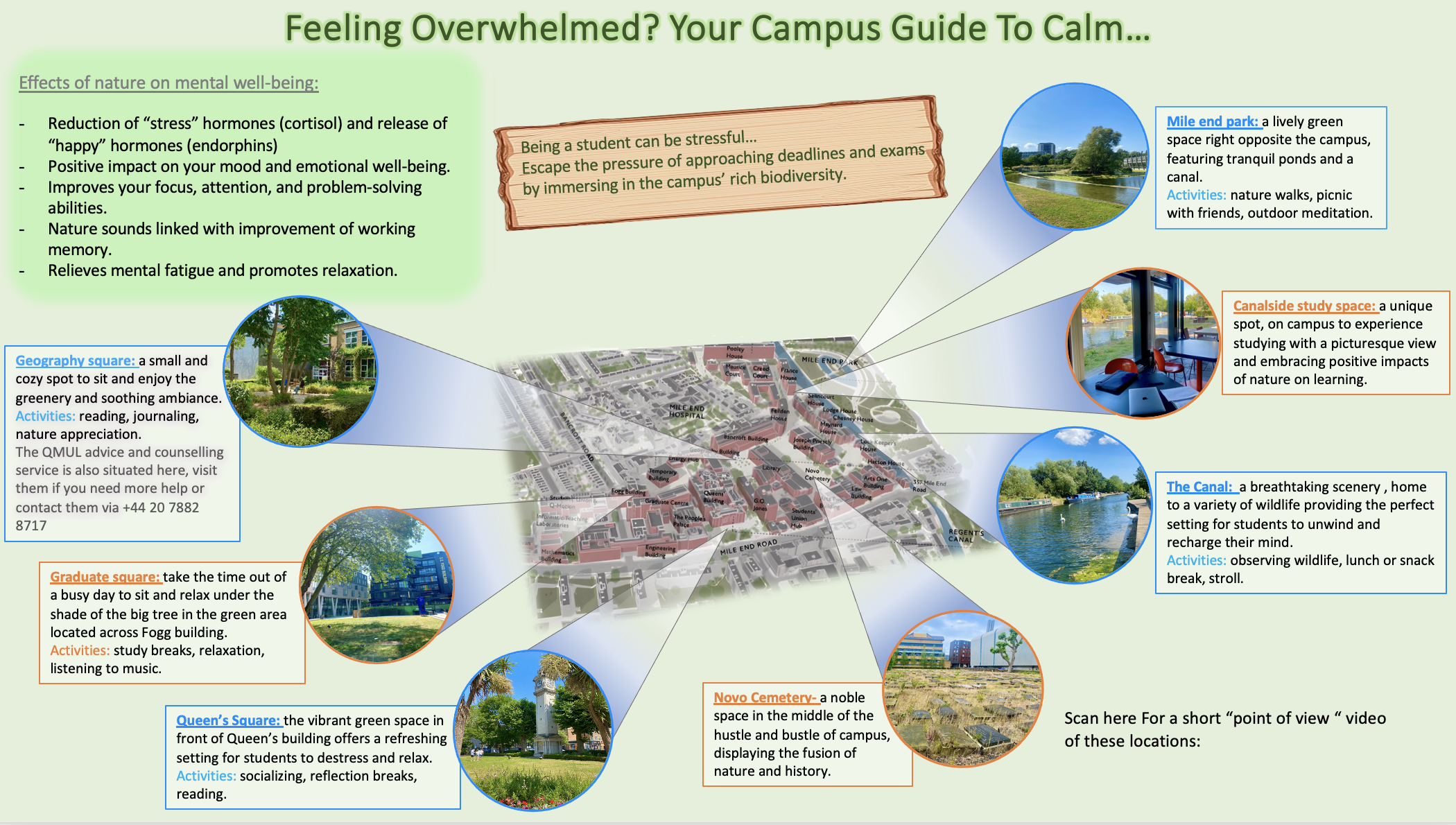
Need a study break? Here’s a guided video tour of the green spaces nearby:
Thank you, by Sayeh Seyedtabatabaei

Take a break and enjoy the local biodiversity! Explore the green spaces and wildlife beyond the Queen Mary Campus:
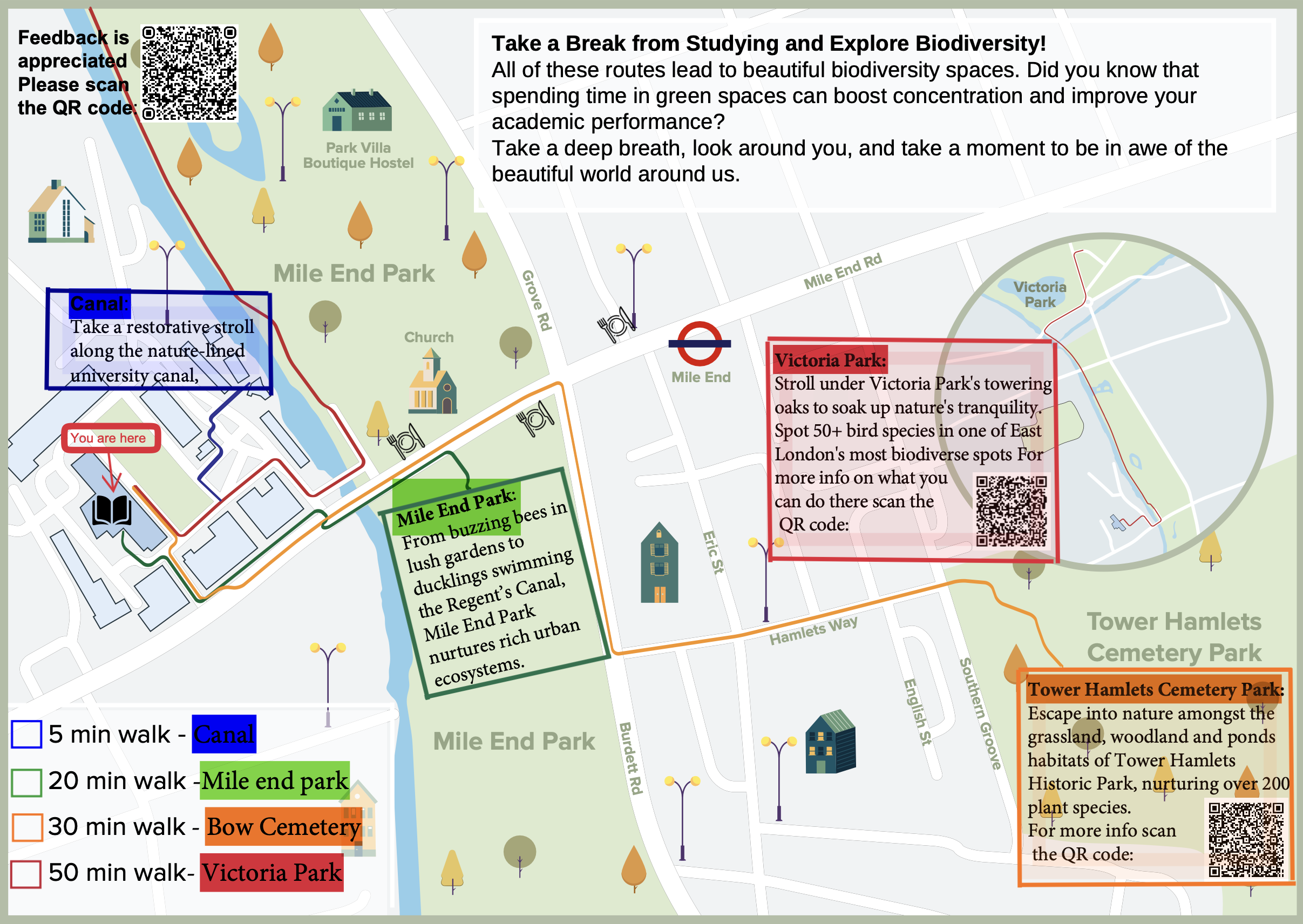
Take a look at our helpful map full of different routes around the Mile End Queen Mary Campus! Find the corresponding information sheets below too – click the link to download them. Please provide feedback here! Thank you, by Nora Omar Arbe
Visit our dedicated ‘Green Spaces‘ page to learn more about the different biodiversity hotspots in the area.


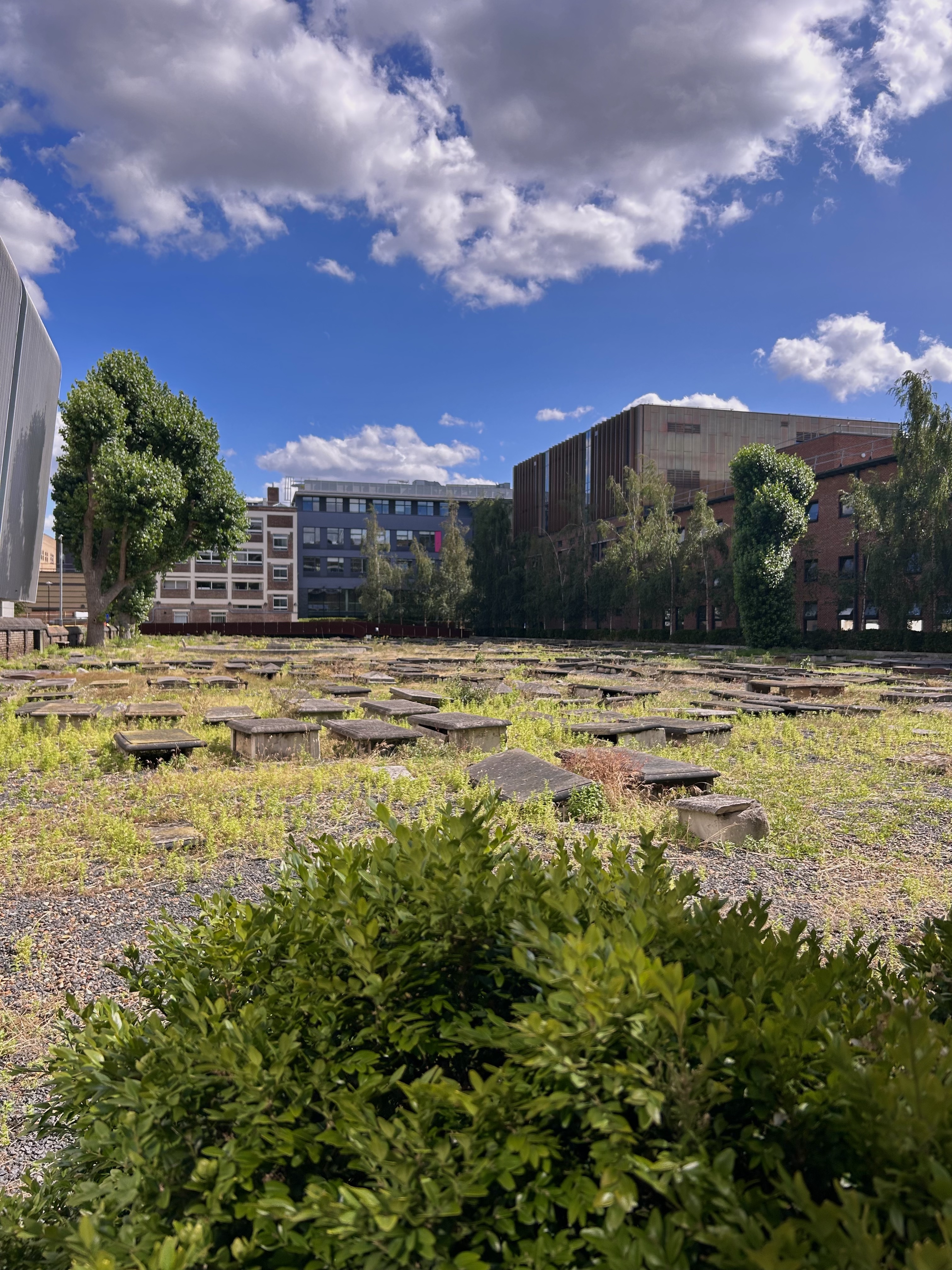
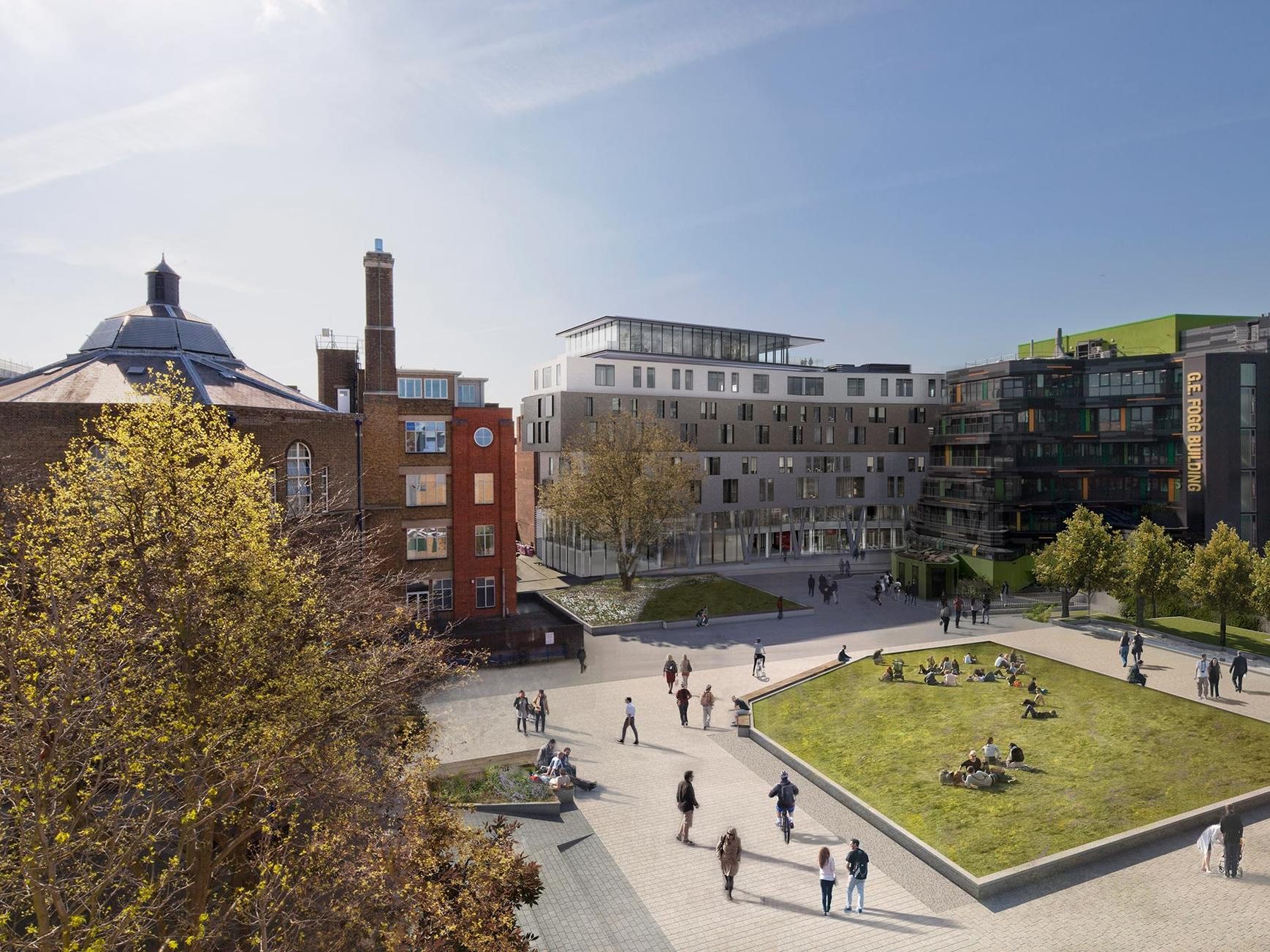





The aim of the Queen Mary Wellness Trail (Mile End) #QMULWellnessTrail is to give students free or cheap and easy ways to take a break or relax. It’s important to get away from the daily pressures of studying or revising now and again.
Use the map to take a guided local walk, visit a relaxing local spot, learn about local history or get some endorphins going with some exercise.
All you have to do is pick up a copy of the map and get going. Maps can be found at Advice and Counselling reception areas, the Library and various other locations across the Mile End campus. Or if you would prefer, you can download or print the one on this page.
We’ve also included some useful Queen Mary contacts and some places a little bit further away (if you’ve got a bit more time on your hands).
It’s important to take time to look after yourself so grab your copy of the Wellness Trail and be well.

 BioCapture
Leave a reply to Anonymous Cancel reply